Unpacking How Device-Specific Interfaces Influence Bonus Layering and Secure Transaction Pathways in Verified Platforms
Written by Anna Washington · Oct 4, 2026
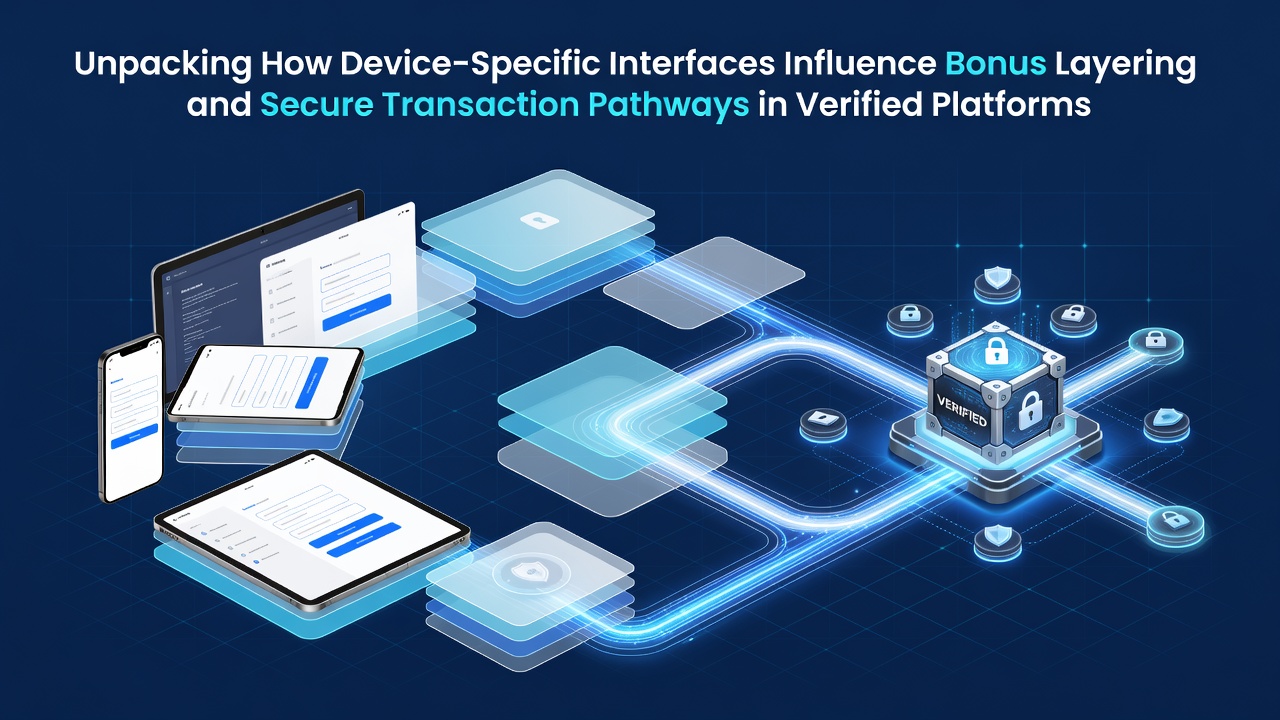
Unpacking How Device-Specific Interfaces Influence Bonus Layering and Secure Transaction Pathways in Verified Platforms
Device interfaces shape how users interact with verified platforms in ways that extend far beyond simple navigation, and researchers tracking these patterns note clear differences in how bonuses layer together and how transaction pathways maintain security across operating systems and screen formats. Mobile applications often present layered bonus structures through swipe gestures and notification prompts that desktop sites replicate via menu expansions and hover states, while the underlying verification protocols adjust encryption keys and session tokens based on the detected hardware profile.
Interface Design and Bonus Presentation
Platforms verified by regulatory bodies adjust bonus visibility and stacking rules according to the interface constraints of each device type, with data from industry analyses showing that touch-based systems encourage quicker acceptance of combined promotions because the layout guides users through sequential claim steps without requiring multiple clicks. Desktop environments, by contrast, allow side-by-side comparison of bonus tiers, yet the same verified platforms enforce identical eligibility criteria and wagering multipliers regardless of access method. Observers note that these presentation differences influence how players perceive available layering options, even when the actual terms remain consistent across channels.
Technical Adjustments in Bonus Layering
Verified platforms embed device detection scripts that modify bonus code delivery so mobile users receive progressive multipliers displayed in real time while desktop sessions route the same calculations through separate API endpoints, and this separation helps prevent duplicate claims without altering the core bonus mathematics. Studies conducted by academic groups in North America indicate that such adaptations reduce processing conflicts when users switch devices mid-session, because the system logs the originating interface and applies the appropriate stacking sequence. The result appears in transaction logs where bonus credits activate only after the platform confirms the session signature matches the initial device profile.
What's interesting here is how these technical layers intersect with user behavior patterns documented in October 2026 reports from multiple jurisdictions, where mobile sessions accounted for higher volumes of combined bonus redemptions due to streamlined interface flows rather than any change in promotional rules themselves.

Secure Transaction Pathways Across Devices
Transaction security protocols in verified platforms rely on device-specific certificates and biometric authentication layers that desktop systems often replace with hardware token verification, and these variations ensure that payment requests follow encrypted pathways tailored to the hardware's capabilities. According to data compiled by the Pennsylvania Gaming Control Board, platforms maintain separate but equivalent security standards so that funds movement remains protected whether initiated through a mobile application or a browser-based portal. The pathways incorporate real-time device fingerprinting that flags anomalies before processing completes, thereby preserving the integrity of layered bonus credits tied to those transactions.
European research institutions have examined similar systems and found that interface-driven security adjustments also affect how withdrawal requests queue when multiple bonuses remain active, because the platform must reconcile each device's session data against a central ledger before releasing funds. This reconciliation process runs automatically and maintains consistency across regions without requiring manual intervention from operators.
Cross-Platform Consistency in Verified Environments
Industry organizations such as the Responsible Gambling Council in Canada have documented that verified platforms achieve regulatory compliance by standardizing bonus calculation engines while allowing interface teams to optimize display logic per device category. The separation keeps the mathematical outcomes identical yet permits visual and interaction differences that suit smaller screens or larger monitors. Observers tracking these developments in late 2026 note that such design choices support broader accessibility without compromising the security layers that protect transaction flows.
Those who've studied platform architecture point out that the same verified environments apply identical responsible gambling tools and account verification checks irrespective of access method, which means device interfaces influence presentation speed and layering visibility more than they alter underlying compliance requirements.
Conclusion
Device-specific interfaces continue to shape how verified platforms deliver layered bonuses and route secure transactions, with the technical adjustments ensuring functional parity across hardware types while adapting to each format's strengths. Data from regulatory and academic sources confirm that these adaptations maintain consistent outcomes for users regardless of whether they engage through mobile or desktop channels, and ongoing monitoring in 2026 shows the approach scaling effectively as new device formats enter the market.