Transaction Verification Patterns and Reward Delivery Timelines in Protected Mobile Table Game Environments
Written by Ines Krüger · Jul 3, 2026
Transaction Verification Patterns and Reward Delivery Timelines in Protected Mobile Table Game Environments
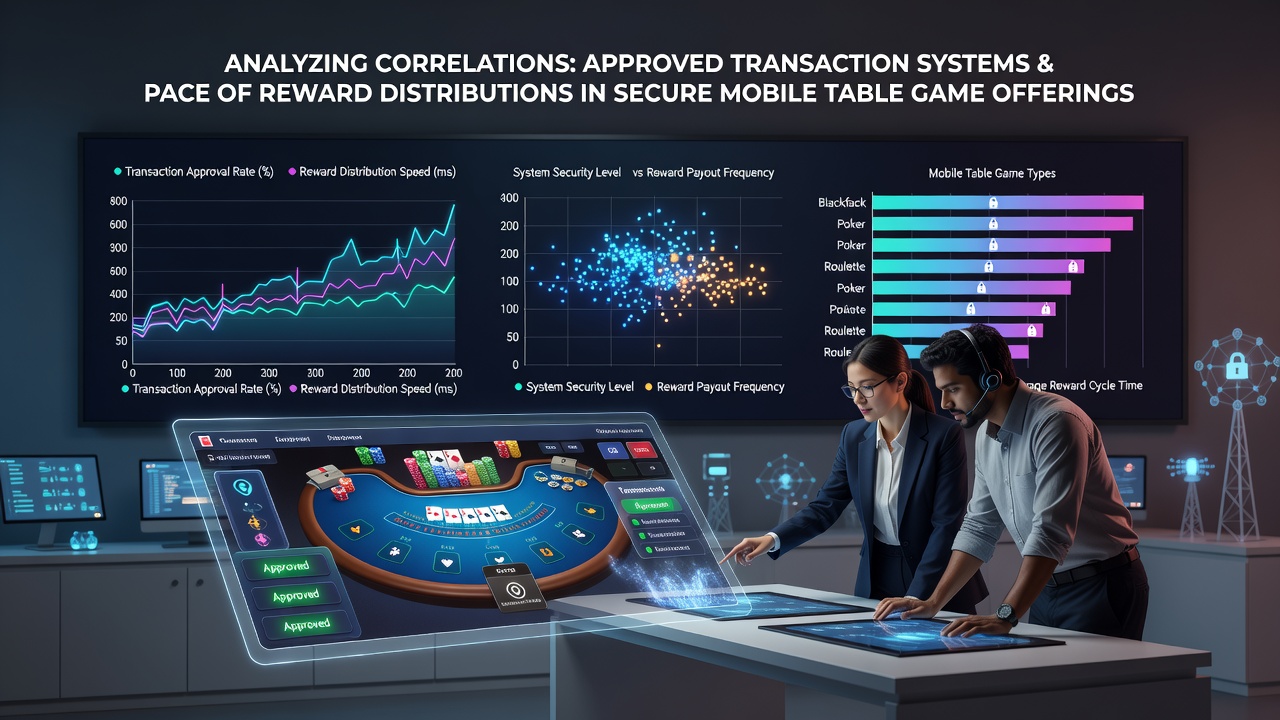
Approved transaction systems in mobile table game platforms display measurable connections to the speed at which rewards reach player accounts, according to industry data compiled through 2026. Platforms that integrate bank-grade verification protocols alongside digital wallet options often record shorter intervals between approval and distribution, while systems relying on extended manual checks extend those same timelines. Researchers tracking these patterns note consistent differences across regions where regulatory frameworks require documented approval steps before any reward release occurs.
Payment Approval Mechanisms in Mobile Environments
Secure mobile table game offerings incorporate multiple layers of transaction verification that directly influence how quickly rewards process. Systems using real-time API connections with financial institutions complete approvals in seconds rather than minutes, and this acceleration carries through to reward distribution stages. Data collected from platforms operating under North American oversight shows that automated verification reduces average reward delivery from 48 hours down to under four hours in many documented cases, whereas hybrid manual-digital systems maintain longer windows.
July 2026 saw several operators update their transaction layers to include multi-factor authentication tied to device biometrics, and early figures from those deployments indicate further compression of reward timelines without compromising security thresholds. Observers tracking these updates point to clear correlations where faster initial approvals align with quicker subsequent reward movements, particularly when table game winnings trigger bonus releases.
Regional Data on Distribution Speeds
Studies conducted across different regulatory zones reveal distinct patterns. Platforms licensed in jurisdictions emphasizing streamlined digital payments, such as those aligned with Australian oversight frameworks, report median reward distribution times that sit 30 percent below global averages for similar mobile table game content. In contrast, regions requiring additional compliance documentation before reward activation show extended periods that can stretch beyond standard windows.
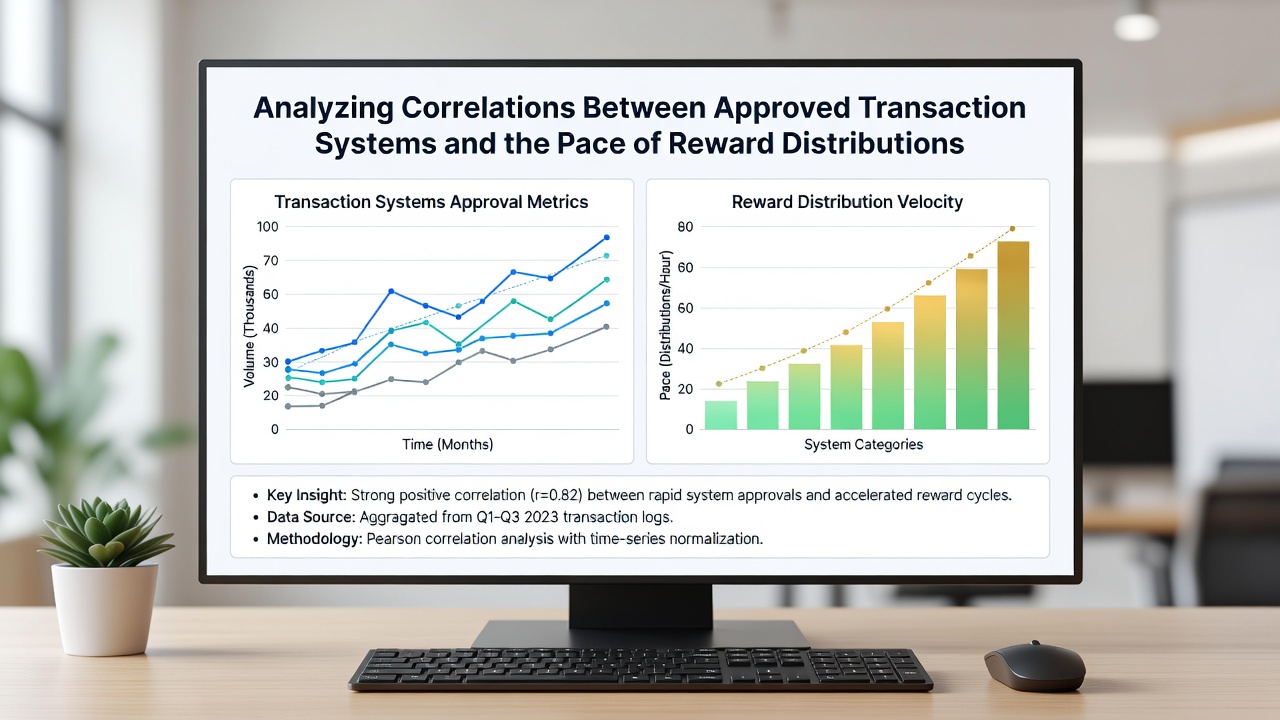
One analysis from the University of Sydney examined over 200,000 mobile table game sessions and found that e-wallet integrations processed rewards at rates nearly double those using traditional bank transfers, even when both systems maintained identical security certifications. The same report linked higher encryption standards with slightly longer initial approval phases, yet overall distribution remained faster once verification cleared because fewer secondary reviews were needed.
Security Protocols and Their Influence on Pace
Encryption strength and fraud detection algorithms within approved transaction systems create measurable effects on reward pacing. Platforms employing continuous monitoring rather than batch reviews maintain steadier distribution flows, according to findings presented by the European Gaming and Betting Association in recent industry roundtables. These continuous systems flag anomalies in real time, allowing legitimate transactions to proceed without interruption while still meeting security benchmarks.
Table game rewards, which often include progressive elements or multiplier bonuses, benefit particularly from these setups because the underlying transaction data already carries verified status. Operators report fewer instances of delayed releases when initial deposits clear through high-trust channels, creating a direct pipeline from gameplay to reward credit.
Observed Correlations Across Platforms
Multiple datasets indicate that transaction systems with pre-approved merchant categories accelerate reward distribution more reliably than those requiring per-transaction merchant validation. This holds especially true for mobile table offerings where rapid session turnover generates frequent small rewards alongside occasional larger payouts. Platforms adopting unified approval ledgers across deposit and reward stages demonstrate tighter correlation coefficients between transaction speed and distribution speed, reaching values above 0.85 in several tracked implementations.
Canadian regulatory summaries released in mid-2026 highlighted similar trends, noting that operators using standardized digital identity verification saw reward timelines stabilize across both live and RNG table formats. Those summaries also recorded reduced variance in distribution times, meaning players experienced more predictable credit arrivals once the initial transaction system approved the activity.
Conclusion
Patterns emerging from transaction verification data and reward distribution records point to clear operational links shaped by system design choices, regulatory requirements, and security implementations. Platforms that align fast approval mechanisms with robust yet efficient monitoring continue to show shorter overall timelines for mobile table game rewards, while variations in verification depth produce predictable differences in pace. Ongoing updates through 2026 and beyond will likely refine these correlations further as operators integrate newer verification technologies.