Reward Pathways Unveiled: Linking Secure Licensing to Swift Transactions and Interactive Table Features in Digital Casinos
Written by Ines Krüger · Jun 19, 2026
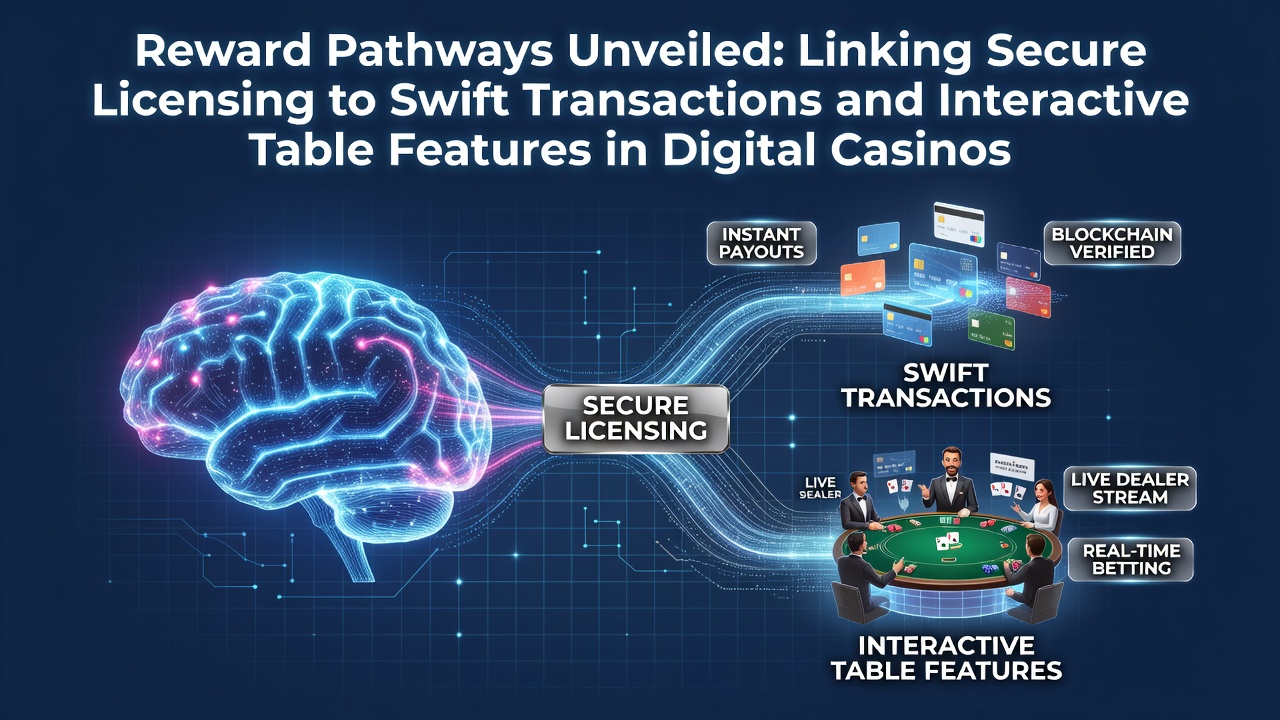
Reward Pathways Unveiled: Linking Secure Licensing to Swift Transactions and Interactive Table Features in Digital Casinos
Digital casinos continue to refine how reward systems operate by connecting regulatory licensing standards with payment processing speeds and player engagement tools at virtual tables. Licensing frameworks from bodies like the New Jersey Division of Gaming Enforcement establish baseline requirements that operators must meet before offering games, and those standards often shape the reliability of transaction flows and table interactions that players encounter. Data from industry reports indicate that platforms holding multiple jurisdictional licenses process withdrawals through verified channels more consistently than unlicensed alternatives, which creates measurable differences in how rewards accumulate and reach accounts.
Secure Licensing as Foundation for Reward Delivery
Operators pursue licensing across regions including Nevada and parts of Europe because each approval process demands audits on financial controls and player fund segregation. Those who meet the criteria gain access to payment providers that support rapid verification steps, and this linkage appears in how bonus credits convert to withdrawable balances. Figures from the Nevada Gaming Control Board show licensed entities report lower dispute rates on transactions compared with operations lacking equivalent oversight, which supports steadier reward pathways where players see credits applied without extended holds. Observers note that licensing renewals often coincide with upgrades to encryption protocols, and these updates reduce friction when systems confirm player identities during deposit and payout sequences.
Swift Transactions and Their Role in Reward Activation
Payment rails integrated with licensed platforms allow deposits to clear in seconds rather than minutes, and this speed feeds directly into table play where rewards trigger based on wager volume. Research from the University of Nevada, Reno Gaming Research Center highlights that sites using automated compliance checks complete verification in under thirty seconds for repeat users, which keeps sessions uninterrupted and lets interactive features respond to real-time activity. When a player claims a deposit match, the funds become available almost immediately on compliant systems, whereas delays elsewhere interrupt the pathway from bonus to table engagement. Reports compiled in June 2026 across North American markets revealed that operators emphasizing instant banking options recorded higher retention rates during promotional periods, since players could move from reward claim to live table participation without reloading pages or contacting support.
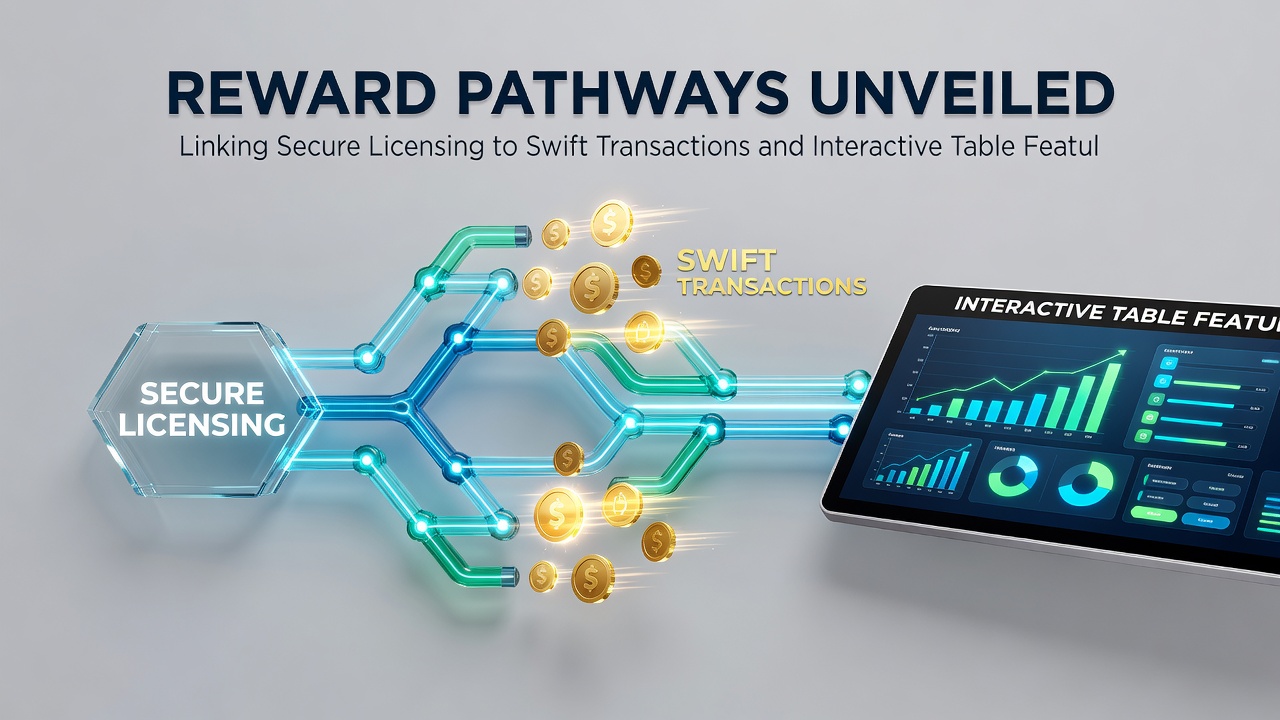
Interactive Table Features Enhancing Reward Engagement
Live dealer tables now incorporate touch-responsive elements such as side bet toggles and multi-hand options that update reward meters instantly as wagers resolve. These mechanics rely on backend systems validated through licensing reviews, which verify that random number generators and result logging meet audit standards before real-money play begins. Players who engage with chat functions or camera-angle selections often receive micro-rewards for session milestones, and those features operate smoothly when transaction histories sync without lag. Data shared by the Australian Gambling Research Centre indicates that platforms combining licensed security with responsive interfaces see increased average session lengths, because players remain in control of table pace while reward indicators refresh continuously.
Connecting the Elements into Cohesive Pathways
The interplay emerges most clearly when a licensed operator processes a deposit, unlocks table access, and applies loyalty points based on live outcomes within the same interface. One documented workflow involves identity confirmation through licensed verification services, followed by instant fund release that populates a player's table balance, after which interactive controls allow bets that accumulate tiered rewards. Reports from Canadian regulatory summaries demonstrate that multi-licensed sites maintain separate ledgers for bonus and cash funds, which prevents commingling issues and speeds final reconciliation during cashouts. This structure reduces the steps between earning and accessing rewards, and it appears in how table history feeds directly into loyalty dashboards without manual uploads.
Regional Variations in Implementation
European operators licensed under Malta frameworks tend to emphasize mobile-optimized table interfaces that mirror desktop reward tracking, while North American sites focus on state-specific banking integrations that accelerate payout approvals. Both approaches stem from licensing conditions that require transparent reporting on player fund movements, and those requirements translate into consistent reward visibility across devices. June 2026 updates from several international gaming associations noted rising adoption of API connections between licensing databases and payment processors, which further shortens the interval between table wins and reward credit displays.
Conclusion
Digital casino reward pathways function through the alignment of licensing requirements, transaction infrastructure, and table interactivity, where each component supports the next in delivering credits and bonuses to players. Evidence from regulatory filings and academic analyses shows that platforms maintaining these connections experience fewer interruptions in reward processing, which sustains player participation across live dealer environments. As licensing standards evolve alongside payment technologies, the pathways continue to tighten, linking regulatory compliance directly to the speed and responsiveness players experience at interactive tables.