Player Pathways: How Verification Layers Shape Access to Layered Rewards in App-Driven Gaming Environments
Written by Anna Washington · Jun 28, 2026
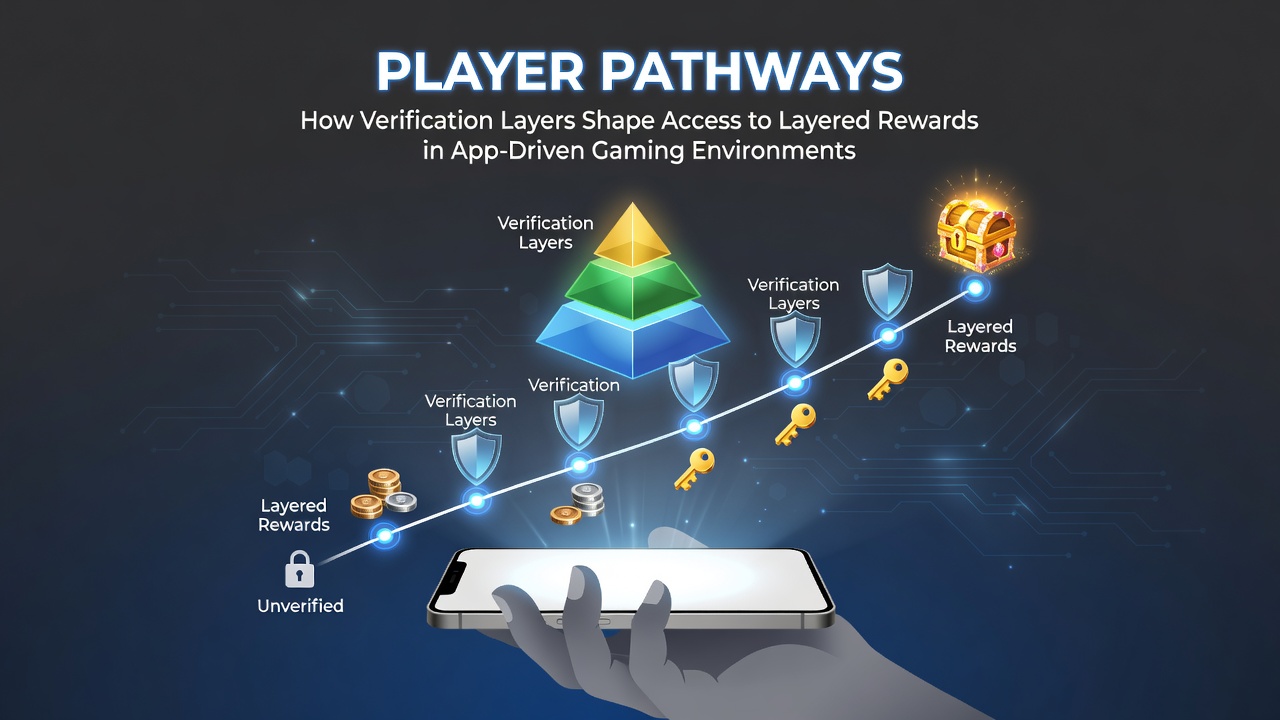
Player Pathways: How Verification Layers Shape Access to Layered Rewards in App-Driven Gaming Environments
Verification layers function as gatekeepers in app-driven gaming environments, where each stage of identity confirmation determines which reward tiers become available to users. Developers integrate these systems to comply with regional regulations while structuring progression paths that encourage sustained engagement through escalating benefits such as bonus credits, exclusive events, and personalized item drops.
Core Components of Verification Structures
Basic account creation often requires only an email address or social login, granting entry to introductory rewards like starter packs or daily login bonuses, yet full participation in higher-value systems demands additional steps including document uploads, biometric scans, or address verification. Observers note that this tiered approach allows platforms to segment user bases efficiently, with data from industry reports indicating that verified accounts complete an average of 3.2 times more transactions than unverified ones.
Behavioral analytics form another layer, tracking patterns such as session duration and spending velocity to trigger secondary checks when anomalies appear. Researchers at institutions like the University of Nevada have documented how these automated flags integrate with manual reviews, creating pathways that either accelerate or delay access to loyalty multipliers depending on compliance speed.
Impact on Reward Accessibility Across Regions
In North American markets, state-level rules influence how quickly players advance, with platforms in jurisdictions like New Jersey requiring geolocation alongside identity checks before releasing tournament entries or cashback features. Australian authorities through the Australian Communications and Media Authority have reported similar frameworks where verified profiles unlock seasonal events and cross-game item transfers unavailable to basic users, leading to measurable differences in retention rates tracked over quarterly periods.
European implementations emphasize data protection standards that intersect with gaming verification, where consent protocols add steps but also enable seamless reward layering once cleared. Studies from academic sources show that users navigating these layers in June 2026 experienced faster progression in apps employing unified verification hubs, reducing friction between initial signup and mid-tier benefits such as boosted experience points or limited-edition cosmetics.
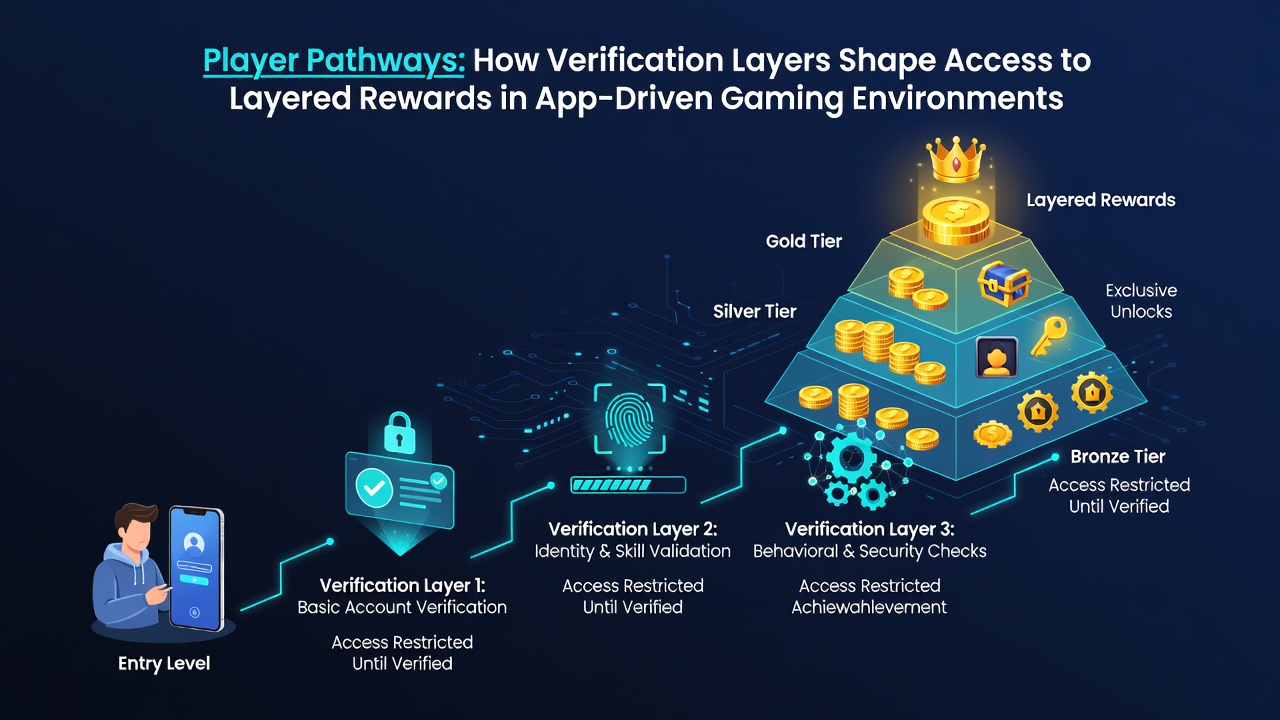
Case Examples from App Ecosystems
One developer group operating across multiple continents implemented a three-stage model where level-one verification opened daily quests, level-two added weekly leaderboards with prize pools, and level-three granted entry to invite-only competitions featuring physical merchandise. Data indicates that completion rates for the second stage reached 67 percent among users who passed initial checks within 48 hours, highlighting how timing affects pathway momentum.
Another instance involves hybrid social-casual titles that tie verification to cross-platform syncing, allowing rewards earned on mobile to transfer to console versions only after full identity confirmation. Those who've studied these systems find that partial verification often caps users at lower payout thresholds, while complete profiles receive compounding multipliers applied retroactively to prior activity.
Statistical Patterns in User Progression
Figures from global gaming analyses reveal that verification completion correlates strongly with reward redemption volumes, with verified cohorts averaging 45 percent higher engagement metrics in app sessions. Platforms report that introducing optional biometric options in mid-2026 shortened average verification times by 22 minutes per user, directly expanding access to time-sensitive layered offers like streak bonuses and referral cascades.
Geographic variations persist, as Canadian regulators at the Alcohol and Gaming Commission of Ontario track how verification density affects prize distribution equity, showing balanced outcomes when multiple authentication methods are offered. These patterns suggest that flexible layer designs accommodate diverse user populations without creating permanent barriers to higher reward strata.
Conclusion
Verification layers continue to define structured pathways in app-driven gaming, channeling users toward specific reward depths based on compliance milestones and regional mandates. Evidence from regulatory bodies and research institutions demonstrates consistent links between verification depth and access breadth, with ongoing refinements in 2026 enhancing efficiency across platforms. Data shows these mechanisms sustain ecosystem balance while directing progression in measurable, segmented ways.