Payment Pathways Decoded: Examining Funding Methods' Influence on Rewards and Exit Schedules in Smartphone Casino Interactions
Written by Yves Wagner · Jul 29, 2026
Payment Pathways Decoded: Examining Funding Methods' Influence on Rewards and Exit Schedules in Smartphone Casino Interactions
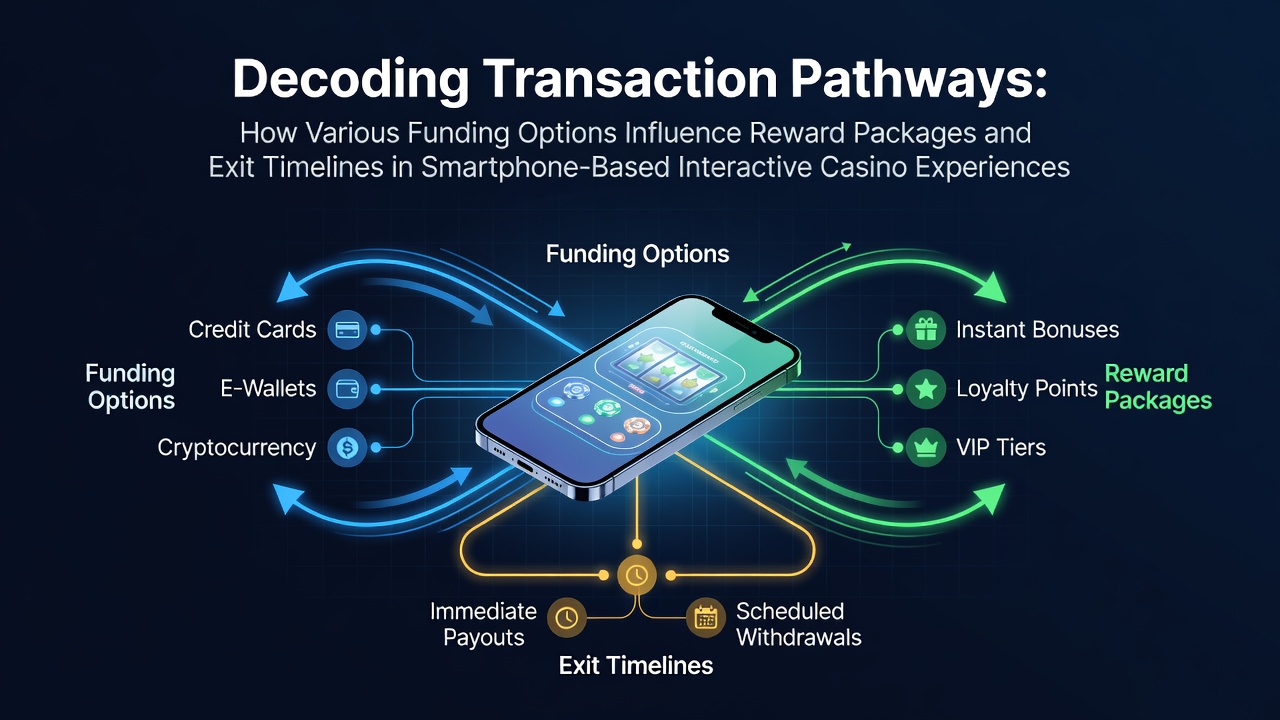
Smartphone-based interactive casino experiences rely on multiple funding options that shape both reward packages and exit timelines in distinct ways, according to industry analyses from July 2026. Credit cards, e-wallets, bank transfers, and cryptocurrency each carry specific processing characteristics that operators integrate into bonus structures while also determining how quickly players can access winnings through mobile platforms. Data from regulatory bodies across multiple regions shows these pathways create measurable differences in how incentives activate and how long cashouts require to complete.
Core Funding Mechanisms and Their Operational Traits
Credit and debit card deposits typically process instantly on mobile apps yet trigger verification steps that extend reward eligibility windows, whereas e-wallets like PayPal or Skrill often bypass some checks and allow immediate bonus claims. Bank transfers move larger sums with built-in delays that operators offset by offering tiered reward packages tied to deposit volume, and cryptocurrency options introduce blockchain confirmation periods that influence both reward unlocking and subsequent withdrawal sequences. Observers note that each method embeds its own timeline logic into the overall player journey, creating patterns visible across thousands of active accounts.
How Deposit Choices Alter Reward Structures
Operators design reward packages around the speed and cost profile of each funding method, so instant deposits via e-wallets frequently unlock higher percentage match bonuses or additional free spins compared with slower bank wire options. Research from the University of Nevada's gaming studies program indicates that cryptocurrency deposits correlate with loyalty point multipliers in several jurisdictions because of lower transaction fees, while traditional card payments sometimes receive cashback layers instead. These variations appear in app interfaces where players select payment types before bonus terms display, allowing the system to apply method-specific multipliers automatically. One analysis of North American platforms revealed that e-wallet users accessed reward packages 18 percent faster on average than those using direct bank links during the first half of 2026.
Exit Timelines Shaped by Payment Selection
Withdrawal schedules depend heavily on the original deposit method because operators route payouts back through the same channel to satisfy anti-money laundering protocols. E-wallet withdrawals often complete within hours on mobile apps once verification clears, while card-based cashouts may require one to three business days due to intermediary bank processing. Cryptocurrency exits move according to network congestion levels, with some platforms offering priority lanes that shorten timelines when players accept network fees. Reports from the Australian Transaction Reports and Analysis Centre highlight that bank transfer withdrawals, though secure for large sums, extend exit periods by several days compared with digital wallet options, prompting operators to display estimated timelines at the point of request. Those timelines appear directly in app dashboards so players can anticipate fund availability without repeated status checks.
Regional Regulatory Influences on Transaction Flows
Regulatory frameworks in Canada and parts of Europe impose distinct verification layers that interact with funding choices, so players using certain methods encounter extra identity checks that delay both reward activation and exit completion. The Canadian Centre for Gaming Excellence documented in early 2026 that provinces requiring source-of-funds declarations see longer average cashout windows for card deposits than for cryptocurrency routes. Meanwhile, operators adjust reward packages regionally to compensate, offering expedited bonus releases on methods that already carry heavier compliance burdens. This creates a dynamic where the same funding option yields different reward and exit outcomes depending on the licensing jurisdiction governing the app.
Integration of Mobile Technology with Transaction Pathways
Smartphone apps embed real-time tracking features that display how each funding choice affects both reward progress and pending exit status, often through progress bars and notification systems. Push alerts inform users when a deposit clears and when a withdrawal moves to the next stage, reducing uncertainty around timelines that vary by method. Industry reports compiled by the European Gaming and Betting Association note that apps integrating multiple payment rails achieve higher session retention because players receive clearer visibility into how their chosen method shapes both incentives and cash availability. These technical layers operate continuously, updating estimates as network conditions or verification queues shift during peak usage periods.
Conclusion
Funding options in smartphone casino experiences determine reward package eligibility and exit timelines through a combination of processing speeds, verification requirements, and regulatory overlays that operators must accommodate. Data collected across multiple regions in 2026 confirms that e-wallets, cards, bank transfers, and cryptocurrency each produce distinct patterns in how quickly bonuses activate and how soon winnings reach player accounts. Understanding these pathways allows clearer navigation of mobile platforms where transaction choices directly influence both incentive value and cashout duration.