Intersections of Verification Protocols and Instant Table Incentives on Mobile Platforms
Written by Ines Krüger · Jun 21, 2026
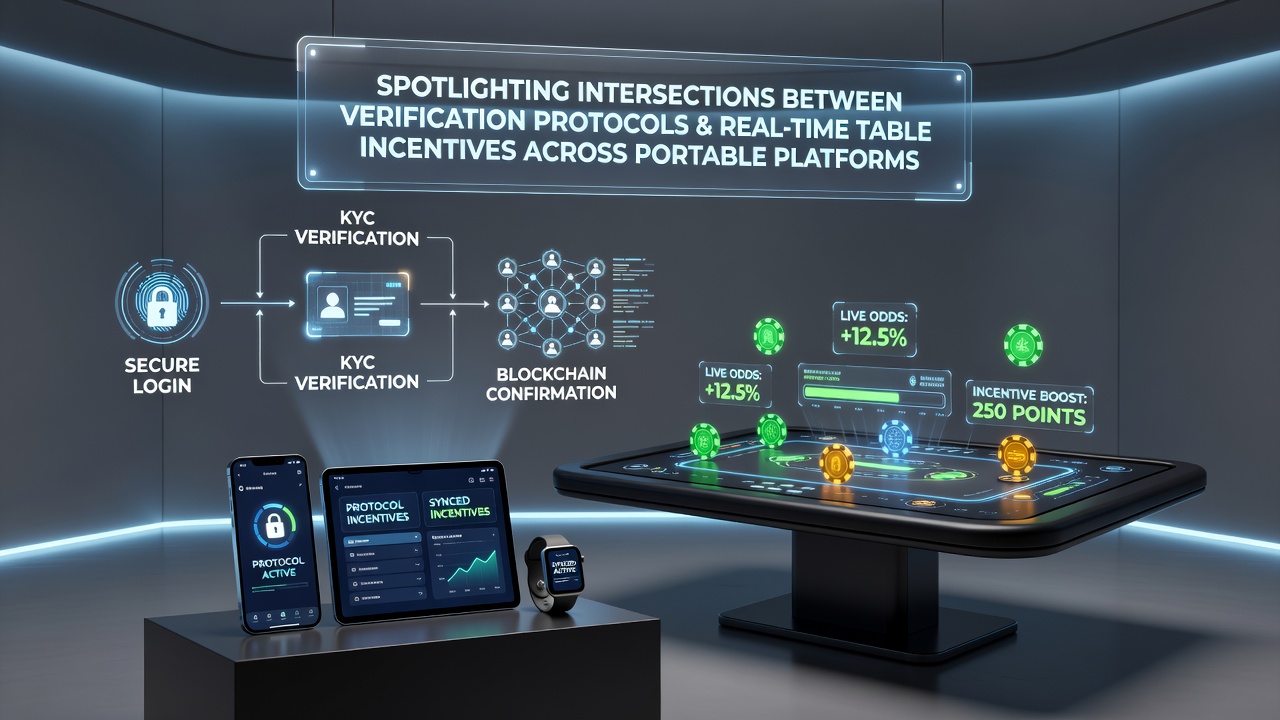
Intersections of Verification Protocols and Instant Table Incentives on Mobile Platforms
Verification protocols and real-time table incentives connect directly on portable platforms where mobile operators manage player access and reward distribution simultaneously. Data from industry reports indicate that seamless identity checks enable operators to deliver instant bonuses during live dealer sessions without interrupting gameplay flows. Those who've studied mobile gaming trends note that biometric authentication systems paired with automated compliance tools allow platforms to process rewards in seconds rather than minutes or hours.
Core Components of Verification on Portable Devices
Portable platforms rely on layered verification methods including document uploads, facial recognition, and device fingerprinting to confirm user eligibility. Research from the American Gaming Association shows that these steps integrate with backend systems to flag accounts for real-time incentive eligibility based on location data and play history. Observers note that when verification completes early in a session, operators activate table-specific rewards such as matched bets on blackjack or roulette without requiring additional player input.
European regulatory frameworks emphasize standardized age and identity checks that mobile operators must embed into app architectures. According to figures from the European Gaming and Betting Association, platforms using unified verification APIs report higher rates of uninterrupted incentive delivery during peak evening hours. Studies indicate that integration reduces drop-off rates because players receive confirmation of both account status and bonus activation in one continuous process.
Real-Time Table Incentives and Their Triggers
Table incentives on mobile devices activate through algorithms that monitor live game participation and cross-reference verified account details. These triggers include deposit matches for poker tables, cashback on losses during baccarat rounds, and loyalty multipliers tied to consecutive spins on virtual wheels. Data reveals that operators who synchronize these rewards with verification timestamps achieve faster payout cycles because compliance checks occur upfront rather than at withdrawal stages.
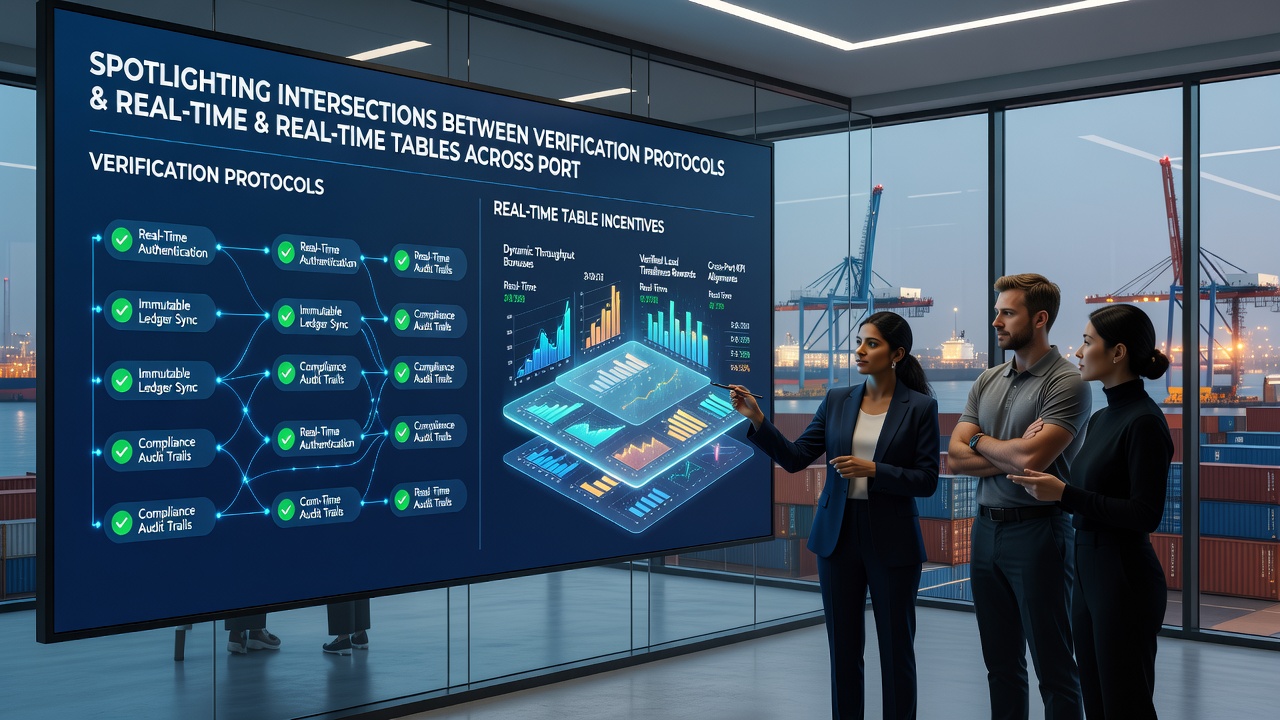
Canadian provincial regulators have documented similar patterns where verified mobile accounts receive personalized table promotions within the same minute verification succeeds. Industry reports highlight that this timing reduces latency complaints and supports higher session retention across multiple game types. Experts observe that the combination allows platforms to maintain regulatory compliance while scaling incentive volume without manual oversight.
Technical Integration Across Platforms
Developers build APIs that link verification engines directly to bonus engines so that portable platforms process both functions in parallel. This architecture supports features like instant free bet credits appearing on screen immediately after biometric confirmation completes. Research indicates that such connections prove especially effective on devices running iOS and Android operating systems where app stores enforce strict security standards.
Operators in Australia have implemented comparable systems following updates to digital identity guidelines in early 2026. Those systems allow verified users to claim table incentives during live streams without exiting the game interface. Figures show improved compliance scores when verification data feeds directly into reward eligibility checks rather than remaining siloed in separate databases.
Regulatory Context in Mid-2026
June 2026 brought fresh guidance from multiple jurisdictions on harmonizing verification timelines with incentive delivery windows. Platforms responded by updating mobile apps to include real-time status indicators that display both verification progress and pending table rewards. Observers note that these changes align with broader efforts to balance player protection measures and operational efficiency across international markets.
Academic studies from research institutions in the United States have examined how portable platforms handle cross-border verification while delivering localized table incentives. Findings suggest that unified protocols reduce errors in reward distribution and support consistent user experiences regardless of device or region.
Conclusion
The intersections between verification protocols and real-time table incentives continue to shape mobile platform development as operators refine technical connections and regulatory alignment. Data from multiple sources illustrate measurable improvements in session continuity and compliance when these elements operate in tandem. Platforms that maintain these integrations position themselves to meet evolving standards while supporting dynamic reward structures for live table games.