Examining How Certifications Influence Transaction Flows in Mobile Gaming Ecosystems
Written by Ines Krüger · Jul 17, 2026
Examining How Certifications Influence Transaction Flows in Mobile Gaming Ecosystems
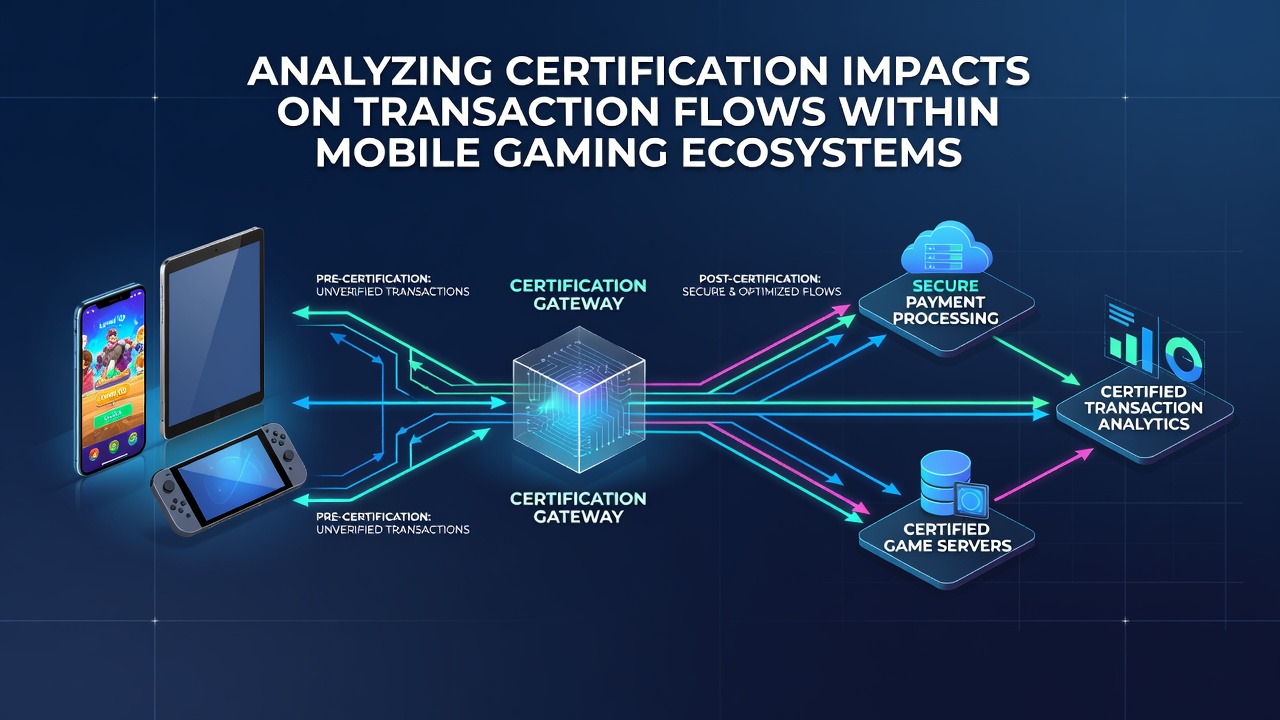
Certification processes in mobile gaming ecosystems shape how transactions move from player devices through payment processors and back to game servers, and observers note that these standards determine both security protocols and processing timelines across platforms like iOS and Android stores. Data from industry reports indicates that app store approvals require developers to meet specific criteria for in-app purchase handling, which directly affects how funds transfer during gameplay events such as item unlocks or subscription renewals.
Regulatory frameworks from various regions establish baseline requirements that game publishers must satisfy before transactions can flow freely, and researchers have tracked how compliance with these rules reduces unauthorized access attempts while sometimes extending verification periods. In July 2026 several updates to global digital payment standards took effect, prompting developers to adjust their backend systems to align with new encryption mandates that influence real-time purchase confirmations.
Core Certification Types Affecting Mobile Transactions
Payment Card Industry Data Security Standard compliance stands as a primary requirement for any ecosystem handling credit card data, and experts observe that certified processors route transactions through segmented networks to isolate sensitive information from game logic servers. App store guidelines from major operators enforce additional layers of review that examine how in-app billing integrates with external gateways, which means developers often redesign flow sequences to pass automated and manual checks before launch.
ISO 27001 certification covers information security management systems used by many gaming companies, and studies show this standard alters transaction routing by requiring documented incident response procedures that can pause flows during audits. Content rating certifications such as those issued by the Entertainment Software Rating Board in the United States also intersect with transaction systems because certain age-restricted features trigger additional parental consent flows that extend processing times.
Security Protocols and Flow Adjustments
Certified environments implement tokenization methods that replace card details with unique identifiers before any data leaves the device, and evidence suggests this practice reduces fraud rates while maintaining consistent authorization speeds across international borders. Developers who achieve these certifications often report fewer interruptions in transaction sequences because automated monitoring tools flag anomalies earlier in the pipeline.
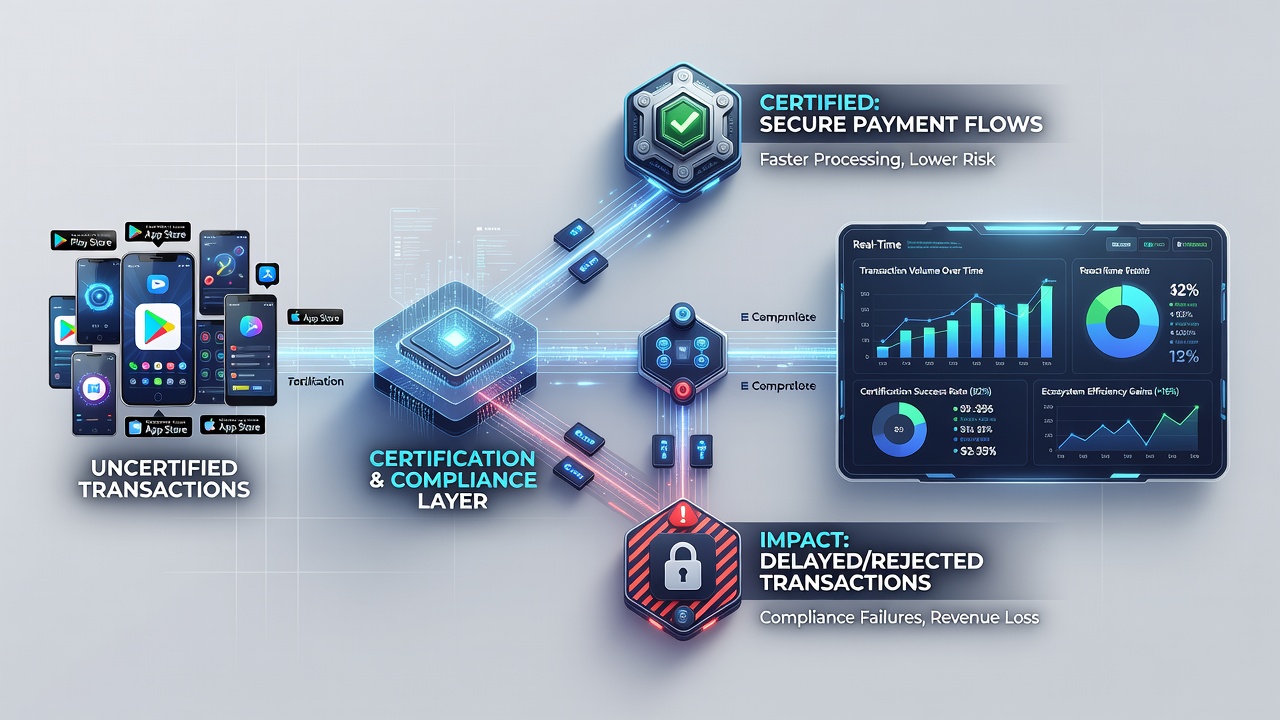
Multi-factor authentication requirements tied to certified payment modules add verification steps that players encounter during high-value purchases, and data indicates these layers extend average completion times by several seconds yet lower chargeback volumes substantially. Regional variations appear when European standards demand explicit consent mechanisms that differ from practices in North American or Asia-Pacific markets, creating parallel flow paths that publishers must maintain simultaneously.
Observed Effects on Processing Speed and Reliability
Analysis of transaction logs from certified versus non-certified environments reveals measurable differences in latency, with compliant systems showing steadier throughput during peak hours because redundant validation checks prevent cascading failures. One case study involving a popular puzzle game franchise demonstrated that after obtaining updated security certifications the average purchase confirmation time dropped by nearly fifteen percent once initial integration issues were resolved.
Industry organizations such as the Federal Trade Commission have documented how certification adherence correlates with fewer consumer complaints about failed payments, and similar patterns emerge in reports from Australian regulatory bodies tracking digital entertainment transactions. These findings suggest that while upfront compliance costs rise, long-term operational stability improves when flows pass through verified channels.
Regional Regulatory Influences on Global Flows
Canadian authorities have introduced guidelines that require gaming platforms to maintain separate transaction records for audit purposes, and developers note this requirement forces adjustments to data pipelines that previously combined gameplay analytics with purchase histories. In contrast, frameworks emerging from Asia-Pacific trade groups emphasize interoperability between different mobile carriers, which can accelerate cross-border flows when all parties hold matching certifications.
Academic research from university-led projects has examined how certification renewal cycles create periodic bottlenecks, and results show that publishers who schedule updates during low-traffic periods experience minimal disruption to ongoing player transactions. The reality is that these cycles often coincide with major game updates, requiring coordinated testing to avoid compounding delays.
Future Trajectories for Certified Ecosystems
Emerging technologies such as decentralized identity solutions are entering certification discussions, and early adopters report that these approaches could streamline verification without adding new checkpoints to existing flows. Continued collaboration between payment networks and gaming platforms promises to standardize certain protocols, which may reduce the number of region-specific adjustments developers currently maintain.
Conclusion
Certification requirements continue to define the pathways transactions follow within mobile gaming ecosystems, and available evidence points to measurable impacts on both security outcomes and processing characteristics. As standards evolve, developers and platforms adapt their systems to maintain compliance while preserving efficient player experiences across diverse markets.