Coordinating Real-Time Incentives with Live Table Play on Mobile Platforms in Regulated Markets
Written by Ines Krüger · Jul 24, 2026
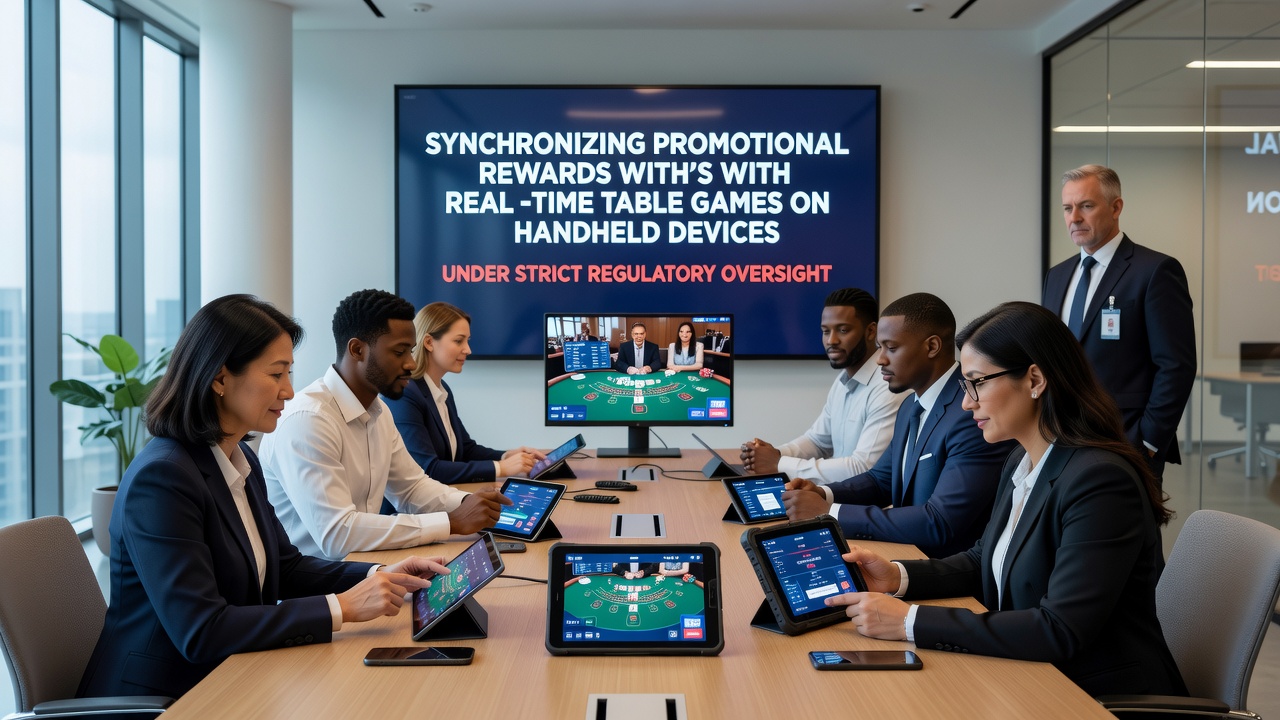
Coordinating Real-Time Incentives with Live Table Play on Mobile Platforms in Regulated Markets
Systems that align promotional rewards with live table game outcomes on handheld devices rely on integrated software platforms capable of processing data streams in milliseconds while meeting compliance standards across jurisdictions. These setups combine application programming interfaces, secure data pipelines, and audit logs to ensure bonuses activate precisely when specific game events occur, such as a blackjack hand reaching a predetermined total or a roulette wheel landing on a targeted sector.
Technical Architecture Behind Synchronization
Developers build these systems around real-time event listeners that monitor table game servers and trigger reward engines without introducing latency that could disrupt player sessions. Data from the game floor or virtual dealer streams feeds directly into mobile applications via encrypted connections, allowing conditional logic to evaluate eligibility for free bets, cashback percentages, or multiplier boosts the moment qualifying conditions appear. Observers note that successful implementations often employ distributed ledger elements to create immutable records of each reward issuance, which regulators can review during routine examinations.
Hardware considerations include device sensors that confirm user location within permitted zones, while software layers handle session persistence across network handoffs. When a player switches from Wi-Fi to cellular mid-hand, the synchronization protocol maintains continuity by caching state information locally before reconciling with central servers upon reconnection.
Regulatory Requirements Shaping Implementation
Authorities in multiple regions mandate that reward mechanisms undergo independent testing before deployment, with particular attention paid to random number generator integrity and payout percentage disclosures. In July 2026 several North American and European oversight bodies updated their technical standards to require explicit logging of every promotional trigger tied to live table events, creating additional data points for compliance monitoring. These rules address concerns around fairness by demanding that mobile interfaces display clear terms at the point of reward activation rather than burying details in separate menus.
Companies operating across borders must reconcile differing definitions of what constitutes a promotional offer versus a game feature. One study from a Canadian research institute highlighted how synchronization tools can flag potential conflicts automatically when regulatory parameters change, reducing the manual review burden on compliance teams. Data from the New Jersey Division of Gaming Enforcement shows that platforms incorporating automated audit trails experienced fewer discrepancies during quarterly reviews compared with those relying on periodic manual checks.

Operational Challenges and Solutions
Latency remains a primary hurdle when multiple players trigger simultaneous rewards during peak table activity, yet middleware solutions that prioritize event queues have demonstrated consistent sub-second response times in controlled tests. Security protocols add another layer, requiring end-to-end encryption that does not interfere with the timing accuracy needed for live synchronization. Industry reports indicate that operators using token-based authentication paired with biometric checks on handheld devices maintain both speed and security without forcing users through repeated login steps.
Staff training programs now emphasize understanding how mobile reward engines interact with live dealer workflows, since misconfigurations can lead to mismatched credits or delayed notifications. There's this case where experts found that integrating player preference settings directly into the synchronization layer allowed users to opt out of certain promotions without interrupting ongoing table sessions, improving overall system flexibility.
Examples from Current Deployments
Operators in regulated markets have begun linking slot-style progressives to table game milestones on mobile, creating hybrid reward structures that update in real time as hands progress. One platform serving multiple jurisdictions implemented geofencing combined with regulatory rule sets so that a player crossing into a new licensing area receives only the promotions permitted under local rules. Figures from an Australian government gaming report reveal steady growth in mobile live table participation alongside increased use of synchronized bonus features, with transaction volumes rising steadily through the first half of 2026.
Academic papers examining responsible gaming tools describe how these same synchronization systems can pause or redirect rewards when predefined spending thresholds are reached, providing an automated safeguard that aligns with oversight expectations. Researchers discovered that embedding such controls at the reward engine level rather than the game server level reduced implementation costs while preserving the integrity of live table streams.
Looking Ahead
Continued refinement of application programming interfaces promises tighter integration between promotional systems and emerging live dealer formats, including augmented reality overlays on handheld screens. Regulatory bodies continue to issue guidance on data retention periods for synchronization logs, prompting operators to adopt cloud architectures that scale storage dynamically while maintaining encryption standards. As handheld device capabilities advance, the technical gap between stationary casino floors and remote play narrows, yet compliance frameworks remain the constant factor guiding every synchronization decision.
Conclusion
Coordination between promotional rewards and real-time table games on mobile devices under regulatory oversight depends on precise technical integration, documented compliance processes, and adaptive operational practices. Data from multiple jurisdictions demonstrates that platforms meeting these combined requirements can deliver consistent player experiences while satisfying examination criteria. Continued evolution in both technology and policy will shape how these systems develop in the months and years ahead.