Coordinating Multi-Tiered Rewards with Instant Table Disbursements in Licensed Mobile Platforms
Written by Ines Krüger · Jul 15, 2026
Coordinating Multi-Tiered Rewards with Instant Table Disbursements in Licensed Mobile Platforms
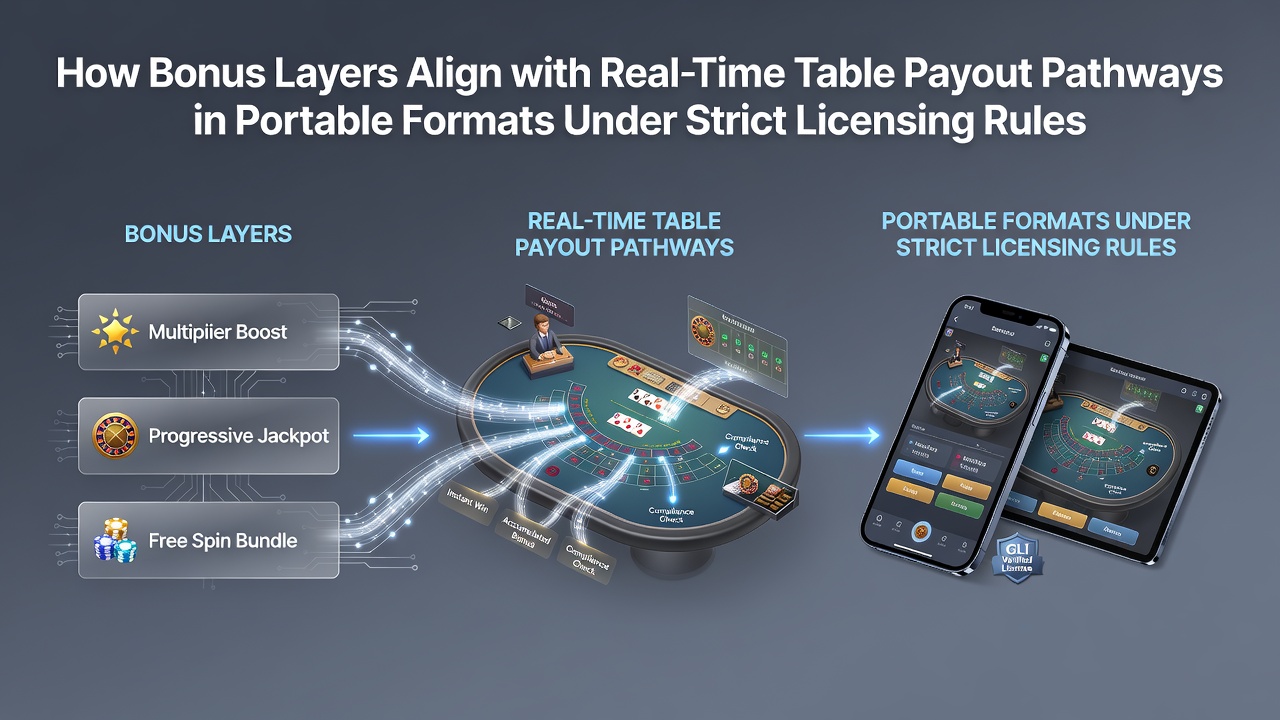
Regulatory frameworks across multiple regions establish clear parameters for how layered bonus structures interact with live table game payout mechanisms when delivered through portable applications, and these rules shape operational requirements for operators handling player funds in real time. Licensing standards in jurisdictions such as those overseen by the Nevada Gaming Control Board demand that bonus credits applied to table games remain synchronized with payout processing timelines so that winnings generated from promotional funds follow documented verification sequences before release.
Portable formats introduce additional technical layers where mobile interfaces must transmit transaction data instantaneously to central servers while maintaining compliance records that auditors can review without delay, and operators achieve this through integrated payment gateways that flag bonus-eligible wagers separately from standard stakes. Data from industry reports indicates that synchronization occurs via timestamped ledgers which record each bonus layer activation alongside corresponding table outcomes, ensuring that withdrawal requests trigger automatic checks against licensing conditions before funds move to player accounts.
Technical Alignment in Mobile Environments
Real-time table payouts rely on continuous data streams between dealer software and mobile clients, while bonus layers activate through predefined triggers such as deposit matches or loyalty milestones that attach specific wagering conditions to those streams. Observers note that strict licensing rules require these attachments to appear transparently within the application interface so players receive immediate confirmation of how promotional funds influence payout eligibility, and this transparency extends to portable formats where screen real estate limits the amount of visible detail at any moment.
Engineers design pathways that route bonus-derived winnings through separate validation queues compared to cash balances, and this separation prevents premature release while satisfying audit trails demanded by licensing authorities. In July 2026 several regulatory updates across North American and European markets emphasized enhanced logging requirements for these pathways, compelling developers to embed additional metadata fields that track bonus progression during live sessions without interrupting gameplay flow.
Regulatory Requirements Across Jurisdictions
Licensing bodies in Canada and Australia enforce alignment protocols that tie bonus expiration periods directly to payout confirmation windows, and operators must demonstrate through testing that mobile applications enforce these ties automatically. Research conducted by the Canadian Gaming Association shows that platforms failing to maintain this coordination face license reviews, whereas compliant systems pass quarterly audits by providing exportable reports that detail every bonus layer interaction with table results.
Portable formats add complexity because session data must persist across network interruptions, yet licensing rules prohibit any lag in payout pathway verification once connectivity resumes. Those who manage these systems often implement fallback mechanisms that queue bonus adjustments locally before syncing with central compliance servers, and this approach preserves regulatory adherence even during variable mobile conditions.
Operational Practices in Licensed Systems
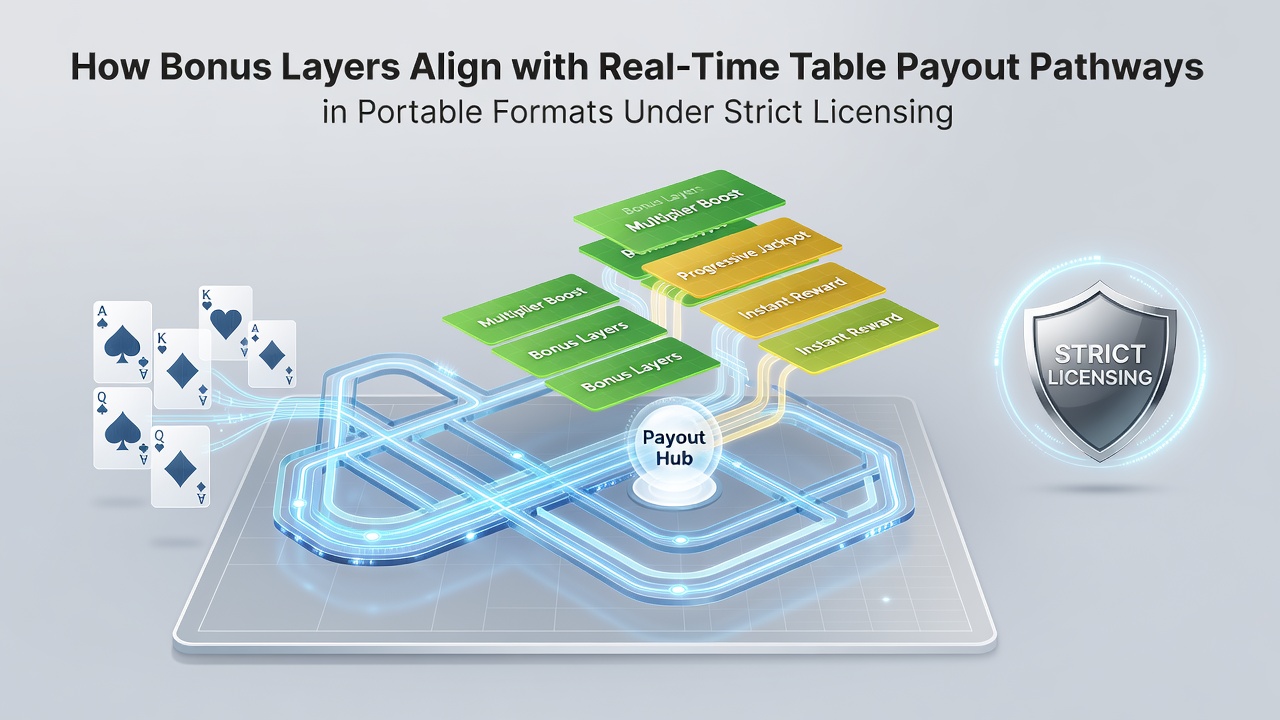
Operators maintain separate accounting ledgers for each bonus tier so that real-time table disbursements reflect only cleared funds, and licensing standards require these ledgers to update within seconds of each hand resolution. What's interesting here is how portable applications achieve this through background processes that communicate with payment processors while the user interface displays updated balances without additional loading screens.
Take one documented case from a North American licensed operator where integration of bonus tracking modules reduced average payout confirmation times by aligning promotional credit deductions with table outcome calculations, and similar implementations appear in other regulated markets following the same pattern. Industry organizations such as the International Association of Gaming Regulators publish guidelines that outline minimum data points operators must capture during these processes, including player ID linkage, bonus identifier, wager amount, and payout timestamp.
Future Developments in Portable Compliance
Advances in mobile processing power allow more sophisticated on-device validation of bonus conditions before payout requests reach central servers, and licensing frameworks continue to evolve to accommodate these capabilities while preserving oversight. Researchers at various institutions have examined how such local processing reduces latency in portable formats without compromising the integrity of real-time table pathways, and their findings support continued refinement of these methods under existing regulatory structures.
Conclusion
The coordination of multi-tiered rewards with instantaneous table disbursements in licensed mobile environments follows established technical and regulatory patterns that prioritize verifiable synchronization at every step. Portable applications achieve compliance through layered data handling that respects jurisdictional requirements while delivering seamless player experiences across diverse network conditions.