Charting Approval Pathways: How Certification Shapes Payout Timelines and Interactive Rewards in Britain's Handheld Gaming Formats
Written by Erik Wagner · May 24, 2026
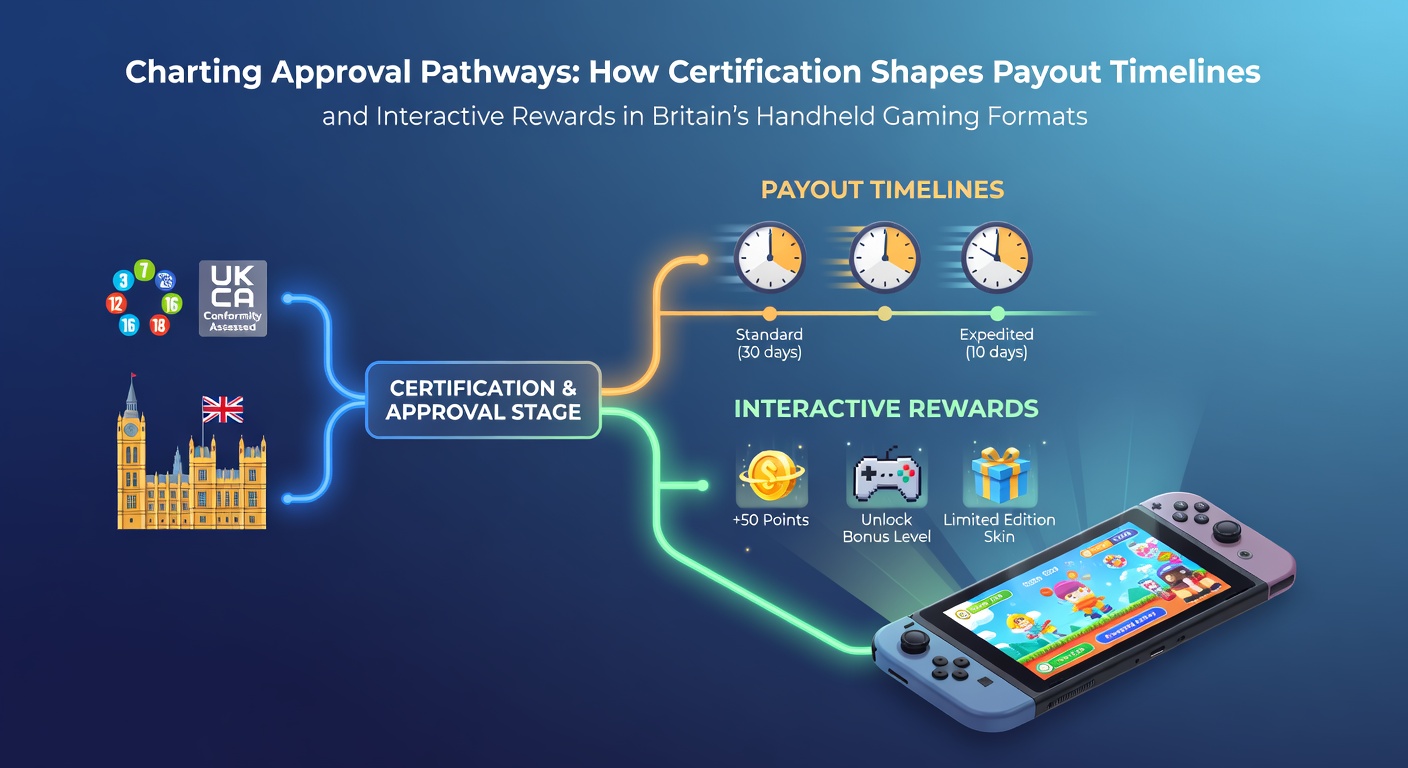
Charting Approval Pathways: How Certification Shapes Payout Timelines and Interactive Rewards in Britain's Handheld Gaming Formats
Certification processes in Britain's handheld gaming sector establish structured approval pathways that directly influence how quickly operators can deliver payouts and unlock interactive rewards for players using mobile devices, and these frameworks have evolved considerably by May 2026 as technology standards advance. Regulatory bodies require independent testing of game mechanics, payment systems, and reward algorithms before handheld formats reach the market, which creates measurable effects on operational timelines. Data from industry reports indicate that certified platforms often achieve faster verification cycles because pre-approved components reduce the need for repeated audits during updates.
Understanding Certification Requirements for Mobile Platforms
Handheld gaming formats must meet technical specifications for random number generation, transaction security, and user interface stability, and certification bodies evaluate these elements through documented testing protocols that cover both software integrity and hardware compatibility. Observers note that operators who submit complete documentation packages at the outset experience shorter review periods, whereas incomplete submissions extend approval windows by several weeks. Research from academic institutions highlights how standardized certification checklists streamline compliance for developers targeting British markets, allowing them to align reward structures with payout logic from the initial design phase.
Testing laboratories assess payout frequency algorithms and bonus trigger mechanisms separately from core game functions, which means interactive rewards undergo additional scrutiny to confirm they operate within declared probability ranges. This separation ensures that reward delivery systems remain consistent across different mobile operating systems and device types. Those who've examined certification records find that platforms incorporating modular code structures pass these evaluations more readily because individual components can be verified without full system retests.
Links Between Approval Stages and Payout Processing
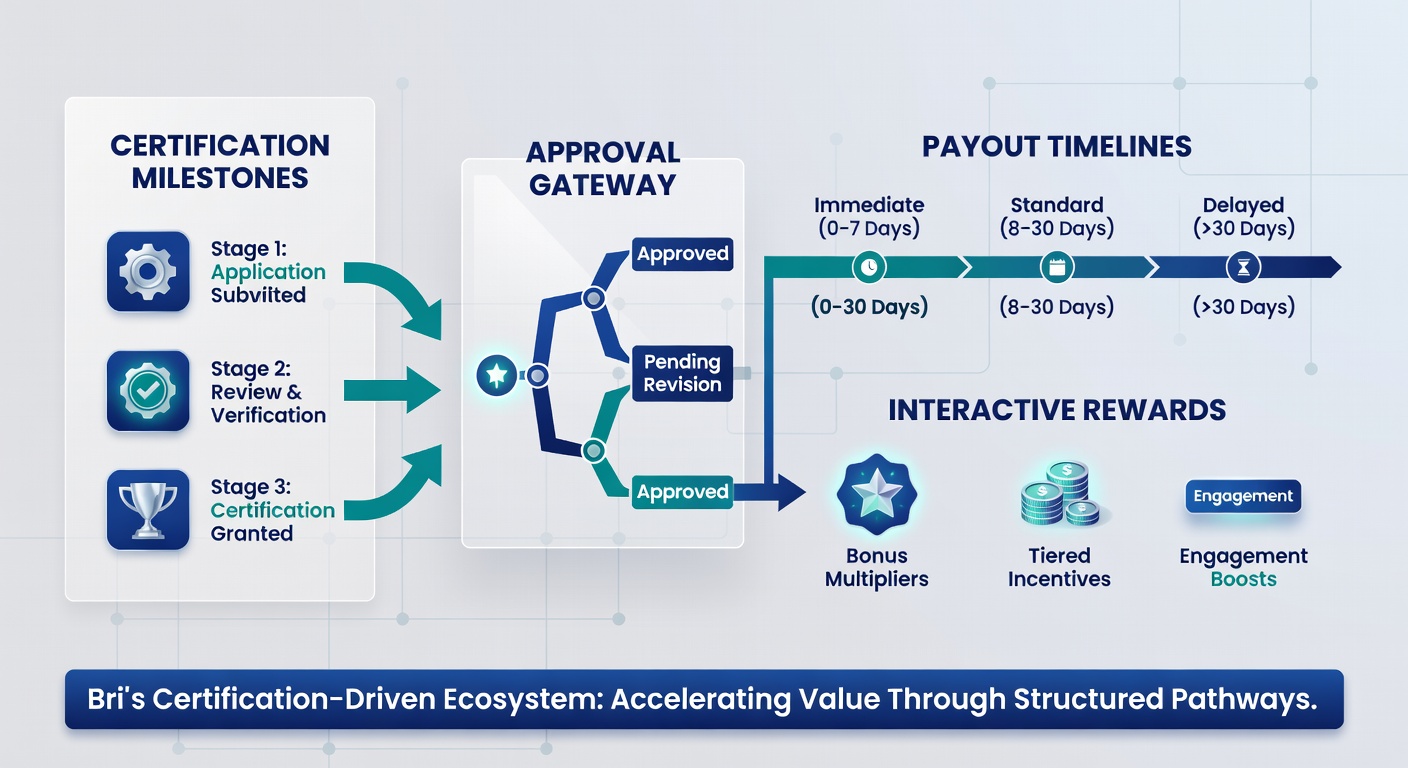
Once certification clears the payment gateway integration, operators gain the ability to activate real-time withdrawal functions that were previously held in pending status during review, and this progression creates a direct pathway from approval to operational payout speed. Figures reveal that certified mobile platforms process withdrawal requests within defined timeframes because their transaction ledgers have already been validated against security benchmarks. In contrast, uncertified or partially reviewed systems encounter extended holding periods while additional documentation is gathered.
Payment method compatibility forms another layer of certification, with e-wallets and bank transfer protocols undergoing separate validation to confirm they interface correctly with certified gaming engines. Experts observe that approvals covering multiple payment rails simultaneously accelerate the rollout of instant payout features on handheld devices. A study conducted by researchers at a Canadian university examined similar regulatory environments and found that integrated certification reduced average payout delays by aligning verification steps across financial and gaming systems.
Influence on Interactive Reward Delivery
Interactive rewards in Britain's handheld formats depend on certified trigger mechanisms that determine when bonuses activate and how they scale with player activity, and certification ensures these mechanisms cannot be altered without triggering fresh review cycles. Data indicates that once reward systems receive approval, operators can deploy them across multiple game titles without repeating the full certification process, which shortens the timeline from concept to player availability. This modular approach supports frequent updates to reward structures while maintaining compliance with established payout parameters.
Developers design reward layers that reference certified random outcome generators, allowing seamless integration of free spin mechanics or multiplier bonuses into existing mobile interfaces. Those monitoring certification trends note that approvals granted for one device category often extend to newer handheld models through supplementary testing rather than complete re-evaluation. The result appears in faster deployment of layered reward systems that combine with swift payout options on certified platforms.
Case Examples of Certification Impact
Take one developer who submitted a mobile slot title with pre-certified payout and reward modules, and the process concluded weeks earlier than comparable submissions that required separate validation for each component. Observers documented how the early approval enabled the operator to launch enhanced bonus features alongside expedited withdrawal options within the same release cycle. Another instance involved a platform that incorporated third-party certified payment APIs, which allowed immediate activation of real-time reward redemptions once the overall system passed final checks.
Industry associations tracking these patterns report that operators maintaining ongoing certification relationships encounter fewer interruptions when introducing new handheld game variants. This continuity supports consistent payout timelines and reward availability across seasonal updates and device refreshes. Evidence from regulatory filings shows that certification pathways incorporating parallel testing streams for payments and rewards produce the shortest intervals between submission and operational launch.
Conclusion
Certification approval pathways in Britain's handheld gaming formats establish predictable sequences that govern both payout processing speeds and the availability of interactive rewards, with each validated stage contributing to overall system readiness. Operators who navigate these requirements efficiently position their mobile offerings for quicker activation of financial and engagement features. Data continues to track how evolving standards in May 2026 and beyond refine these connections between certification milestones and player-facing outcomes.