Assessing Multi-Factor Authentication Influences on Live Gaming Access and Incentive Programs
Written by Ines Krüger · Sep 20, 2026
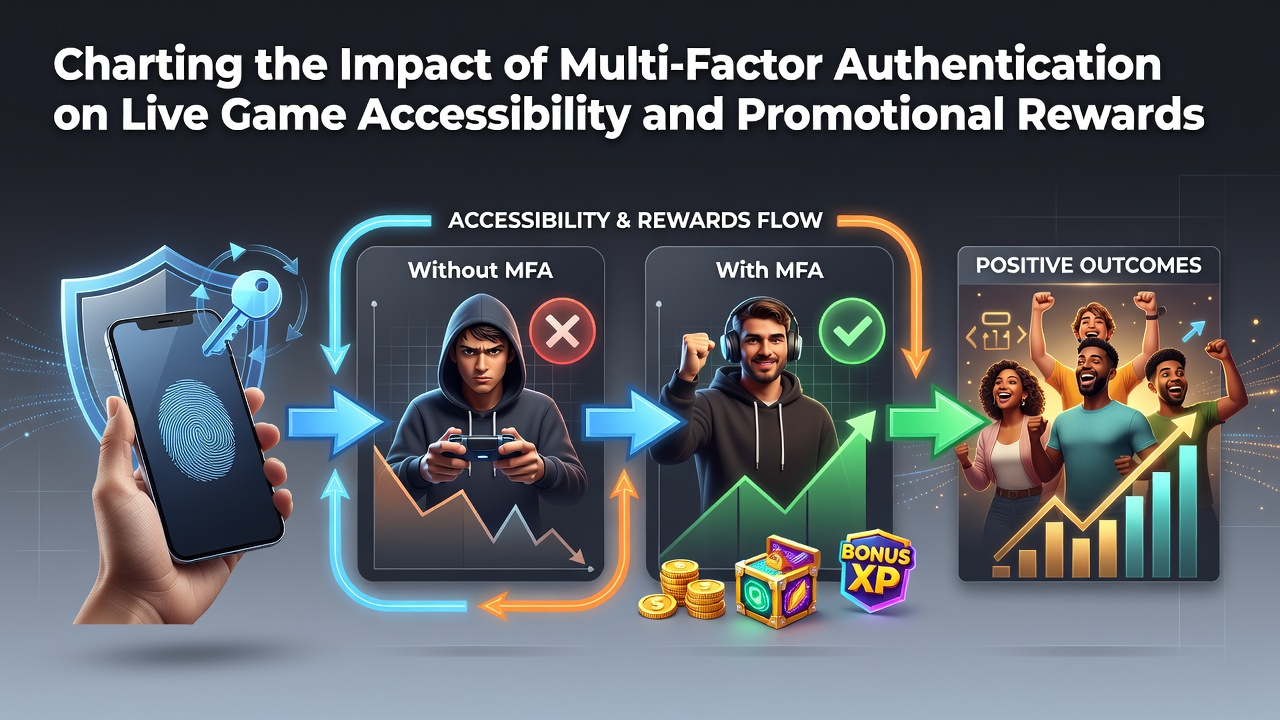
Assessing Multi-Factor Authentication Influences on Live Gaming Access and Incentive Programs
Data from various industry reports indicates that multi-factor authentication has become a standard security layer across digital platforms offering live interactive experiences, where real-time participation meets layered verification protocols. Platforms implementing these measures report shifts in how users engage with ongoing sessions while pursuing available incentives, and September 2026 updates from several regulatory frameworks highlight ongoing refinements to balance protection with entry points.
Security Layers and Entry Points in Real-Time Environments
Live gaming environments require continuous connections that span multiple devices and network conditions, which means authentication steps must adapt without interrupting active play sequences. Studies conducted by research institutions show that adding a second verification factor, such as a time-based code or biometric check, reduces unauthorized account takeovers by significant margins according to figures compiled through academic analysis. Those who have examined platform logs note that initial setup times increase modestly, yet repeated logins stabilize once users establish trusted patterns, allowing smoother transitions into live rounds.
Observers note that accessibility concerns arise when verification prompts appear during peak activity periods, particularly for participants using assistive technologies or variable connection speeds. Research indicates that platforms adjusting prompt timing based on session context achieve higher retention rates compared to rigid schedules, while data from international bodies like the Australian Communications and Media Authority reveals regional variations in how these adjustments perform across different user demographics.
Effects on Reward Distribution Mechanisms
Promotional structures tied to live sessions often depend on verified account status before releasing bonuses or credits, creating direct intersections between authentication processes and reward eligibility. Evidence from industry associations demonstrates that completed multi-factor setups correlate with faster processing of claims, since platforms can confirm identity without additional manual reviews. One analysis of transaction records found that accounts using consistent verification methods encountered fewer delays when accumulating and redeeming points during extended live events.
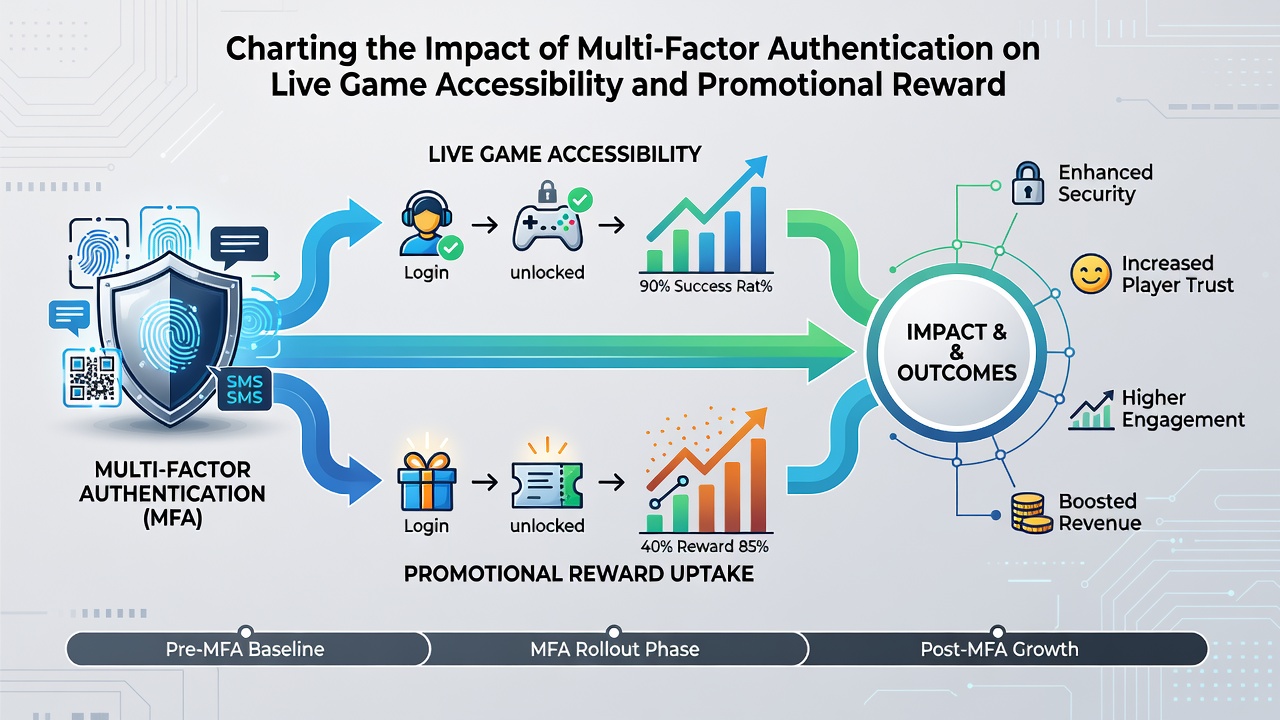
Yet the added steps sometimes create friction for users attempting quick entries into time-limited promotions, where windows close rapidly. Figures released through Canadian regulatory channels suggest that simplified recovery options, such as app-based authenticators paired with backup codes, mitigate these interruptions effectively. Researchers have observed that integration of single-sign-on services alongside multi-factor requirements streamlines access for returning participants, preserving momentum in live sequences while maintaining compliance standards.
Platform Adaptations and User Patterns
Developers respond to these dynamics by embedding authentication prompts within natural breaks in live action, such as between rounds or during loading phases, rather than forcing pauses mid-interaction. Reports from European trade groups indicate that such contextual placements improve completion rates for both security checks and subsequent reward activations. Data shows variations by region, with North American platforms emphasizing biometric options more frequently than counterparts elsewhere, leading to differences in reported accessibility metrics.
Those tracking user behavior over extended periods find that familiarity with verification routines reduces perceived barriers, allowing focus to remain on gameplay progression and incentive collection. September 2026 projections from several research papers anticipate further refinements through adaptive algorithms that learn individual patterns, potentially lowering repeat friction while upholding protection levels across diverse live environments.
Conclusion
Overall patterns emerging from multiple data sources illustrate that multi-factor authentication shapes both entry accessibility and reward pathways in measurable ways within live gaming contexts. Continued monitoring by independent organizations helps identify effective configurations that support secure participation without undue hindrance to ongoing sessions or promotional opportunities.