Accreditation Anchors: Certified Frameworks Powering Flexible Game Choices and Prompt Rewards in Mobile Formats
Written by Yves Wagner · Jun 5, 2026
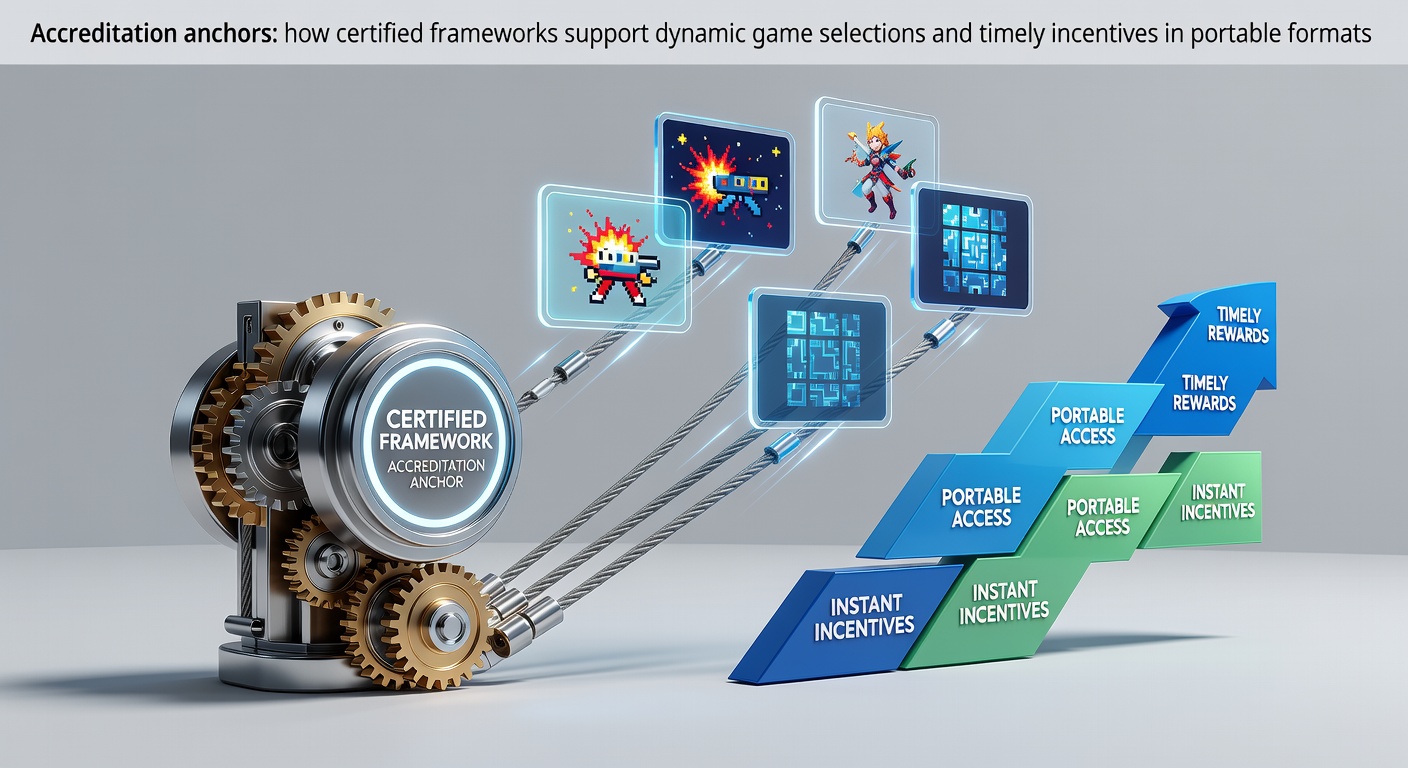
Accreditation Anchors: Certified Frameworks Powering Flexible Game Choices and Prompt Rewards in Mobile Formats
Accreditation systems serve as foundational elements in digital gaming environments, where independent testing bodies verify compliance with technical standards that govern random number generators, payout mechanisms, and software integrity across mobile platforms. These frameworks allow operators to maintain libraries of certified games while adapting selections based on player preferences and regional requirements without compromising fairness protocols.
Testing laboratories such as Gaming Laboratories International conduct evaluations that cover both land-based and remote systems, with particular attention to portable formats where device variability introduces additional variables in performance and security. Data compiled by the European Gaming and Betting Association shows that accredited platforms process millions of transactions daily, with certification renewals occurring at regular intervals to account for software updates and new game integrations.
Framework Components That Enable Varied Game Libraries
Core elements within accredited systems include RNG certification, game logic audits, and integration protocols that permit seamless addition or removal of titles on mobile applications. Operators rely on these anchors to rotate offerings seasonally or in response to usage patterns, since each addition undergoes the same verification process applied to existing selections. This structure supports dynamic curation because certified games carry documentation confirming mathematical fairness and operational stability regardless of the device accessing them.
Industry reports from the World Lottery Association highlight how multi-jurisdictional certifications reduce duplication in testing, allowing platforms to deploy games across markets more efficiently. One example involves a European operator that expanded its mobile portfolio by 40 titles in a single quarter after receiving updated accreditation covering new jackpot mechanics and progressive systems. The process required verification that mobile-specific interfaces preserved the certified outcomes identical to desktop versions.
Support for Timely Incentive Delivery Through Audited Systems
Certified frameworks extend beyond game fairness to encompass bonus calculation engines and reward distribution modules. Standards require transparent documentation of wagering requirements, eligibility criteria, and payout timelines, which auditors review during both initial approval and ongoing surveillance. This oversight ensures that promotional credits and loyalty rewards reach player accounts within defined windows, often measured in hours rather than days for mobile transactions.
According to research from the University of Nevada's International Gaming Institute, platforms operating under accredited bonus protocols demonstrate higher consistency in fulfilling incentive terms compared to non-certified environments. The study examined transaction logs across multiple operators and found that certified systems processed reward redemptions with median completion times under six hours in portable formats during the first half of 2026.
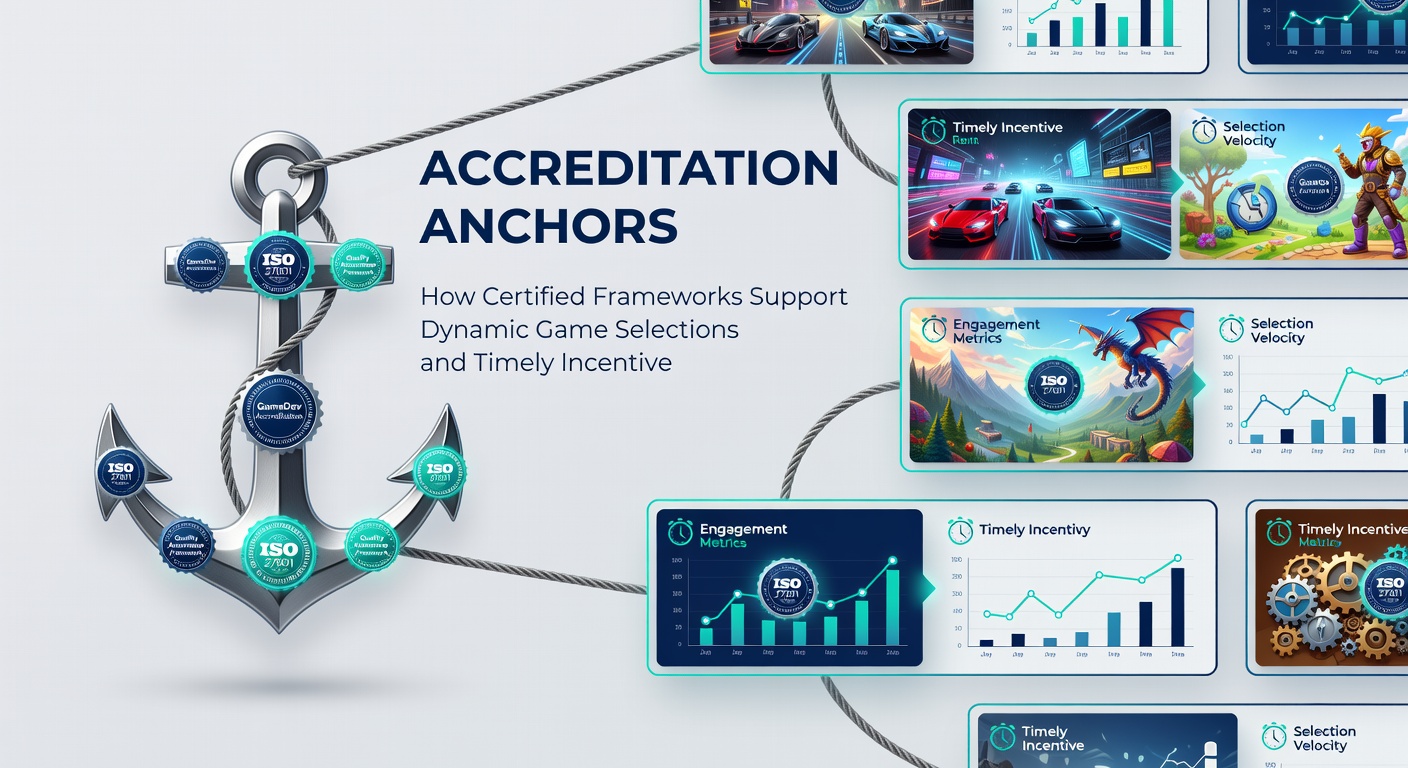
Adaptation to Portable Formats and Cross-Device Consistency
Portable environments introduce considerations around operating system updates, network conditions, and hardware differences that certification bodies address through specialized testing suites. These evaluations confirm that game outcomes remain independent of device characteristics and that incentive delivery functions identically whether users access accounts via smartphones or tablets. Accreditation therefore functions as a stabilizer that permits rapid iteration in mobile development while preserving regulatory compliance.
Observers note that frameworks from bodies such as the Australian Communications and Media Authority incorporate specific mobile security benchmarks, including encryption standards and session management rules. In June 2026 several operators completed recertification cycles that included stress testing under simulated high-latency conditions common in mobile networks, resulting in documented improvements to bonus claim success rates.
Regulatory Alignment and Market Expansion
Accreditation facilitates entry into multiple markets because regulators in different regions recognize overlapping standards from established testing houses. This recognition reduces barriers when introducing mobile-optimized games and incentive structures, since core certifications satisfy baseline technical requirements. Operators maintain compliance records that demonstrate adherence across jurisdictions without separate audits for each deployment.
Figures released by the Canadian Gaming Association indicate that accredited mobile platforms accounted for over 65 percent of new game launches in reviewed territories during recent reporting periods. The data links certification status directly to the speed at which new selections and associated rewards become available to players, underscoring the operational advantages of maintaining current accreditations.
Conclusion
Accredited frameworks continue to underpin reliable game variety and reward processing in mobile gaming by supplying verifiable standards for fairness, security, and operational timelines. As portable formats evolve with new devices and connectivity options, these certification systems adapt through updated testing criteria that preserve consistency across environments. The resulting structure supports ongoing expansion of game libraries alongside dependable incentive mechanisms without requiring operators to rebuild compliance foundations for each innovation.